What is the lifespan of SPC flooring?
Understanding the Lifespan of SPC Flooring: A Comprehensive Guide for B2B Buyers
Introduction
In the competitive world of commercial and residential flooring, Stone Plastic Composite (SPC) flooring has emerged as a leading choice due to its durability, cost-effectiveness, and versatility. For B2B buyers, such as contractors, distributors, and property developers, understanding the lifespan of SPC flooring is crucial for making informed purchasing decisions. This article delves into the intricacies of SPC flooring longevity, offering insights into industry trends, technical specifications, and practical applications. By exploring key factors that influence durability, we aim to equip buyers with the knowledge needed to select high-quality products that meet long-term performance expectations. As the global demand for resilient flooring solutions grows, grasping the lifespan of SPC flooring becomes a strategic advantage in sourcing and supply chain management.
Industry Background: The Rise of SPC Flooring
SPC flooring has gained significant traction in the international market, driven by its robust construction and aesthetic appeal. Originating as an enhancement over traditional vinyl flooring, SPC flooring incorporates a rigid core made from limestone powder and stabilizers, resulting in superior dimensional stability and resistance to impacts. This innovation has positioned SPC flooring as a preferred option for high-traffic areas, including commercial spaces, healthcare facilities, and residential projects. The market has expanded rapidly, with manufacturers investing in advanced technologies to improve product performance. For B2B buyers, this evolution underscores the importance of evaluating lifespan as a key metric, as it directly impacts return on investment and customer satisfaction. The global shift towards sustainable and low-maintenance building materials further fuels adoption, making SPC flooring a staple in modern construction and renovation projects.
Market Data: Insights into Durability and Demand
The market for SPC flooring continues to grow, supported by data indicating increased preference for durable flooring solutions. Industry reports highlight that SPC flooring accounts for a substantial share of the rigid core flooring segment, with projections suggesting steady growth in coming years. Key drivers include rising urbanization, renovation activities, and the need for cost-effective alternatives to hardwood or ceramic tiles. In terms of lifespan, market analyses reveal that high-quality SPC flooring can outperform many traditional materials, with performance metrics showing resistance to wear, moisture, and stains. For B2B buyers, this data reinforces the value proposition of SPC flooring, emphasizing its role in reducing long-term maintenance costs and enhancing property value. Additionally, regional demand varies, with North America and Europe leading in adoption due to stringent quality standards, while emerging markets in Asia-Pacific show potential for expansion.
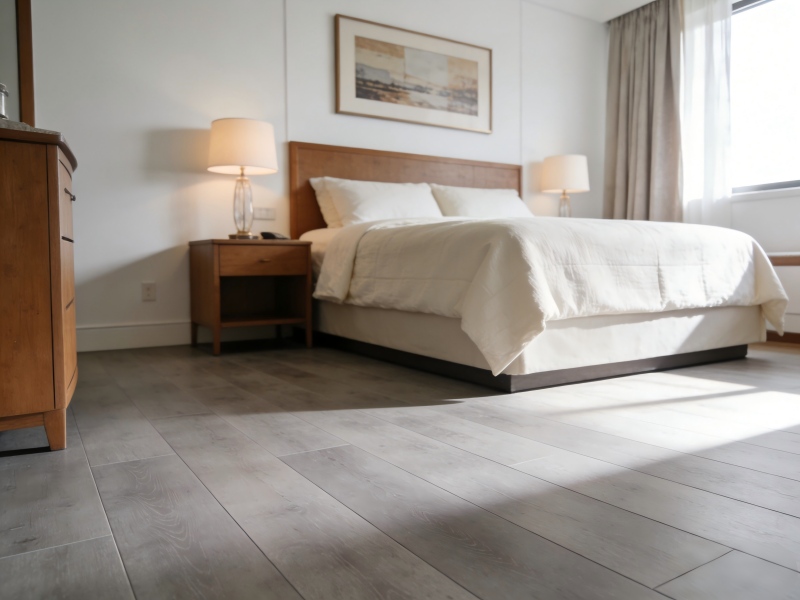
Technical Insights into SPC Flooring Lifespan
What is SPC Flooring?
SPC flooring is a type of rigid core vinyl flooring characterized by its multi-layer construction. Typically, it consists of a wear layer, a decorative layer, an SPC core, and an underlayment backing. The SPC core, composed of calcium carbonate and polyvinyl chloride, provides exceptional rigidity and stability, which are critical for longevity. This structure allows SPC flooring to mimic natural materials like wood or stone while offering enhanced durability. The lifespan of SPC flooring is influenced by its technical specifications, including thickness, density, and quality of components. For B2B buyers, understanding these elements is essential for assessing product reliability and ensuring compliance with industry standards.
Factors Influencing the Lifespan of SPC Flooring
Several factors determine the lifespan of SPC flooring, ranging from manufacturing quality to environmental conditions. Key aspects include:
Wear Layer Thickness: The wear layer, often made of polyurethane or aluminum oxide, protects against scratches and abrasions. Thicker wear layers (e.g., 20 mil or more) correlate with extended lifespan, especially in commercial settings.
Core Density: High-density SPC cores resist indentation and impact, contributing to long-term durability. Density is measured in kilograms per cubic meter, with higher values indicating better performance.
Installation Quality: Proper installation, including subfloor preparation and acclimation, can significantly affect lifespan. Poor installation may lead to issues like buckling or gaps.
Maintenance Practices: Regular cleaning with recommended products helps preserve the surface, while harsh chemicals can degrade the wear layer over time.
Environmental Exposure: Factors such as humidity, temperature fluctuations, and UV exposure can impact longevity. SPC flooring is generally moisture-resistant, but extreme conditions may accelerate wear.
By prioritizing these factors, buyers can select SPC flooring with optimal lifespan, ensuring it meets specific application needs.
Manufacturing Process and Its Impact on Durability
The manufacturing process of SPC flooring plays a pivotal role in determining its lifespan. It typically involves extrusion and pressing techniques to fuse layers into a cohesive unit. High-quality manufacturing incorporates precision in material mixing, temperature control, and curing times, which enhance the structural integrity of the SPC core. Advanced processes, such as digital printing for the decorative layer and UV coating for the wear layer, further improve resistance to fading and stains. For B2B buyers, partnering with manufacturers that adhere to stringent quality control measures, like ISO certifications, can guarantee products with consistent durability. Additionally, sustainable practices, such as using recycled materials, may influence longevity by ensuring material purity and stability.
Application and Installation Considerations
To maximize the lifespan of SPC flooring, proper application and installation are critical. The process begins with subfloor assessment: it must be clean, dry, and level to prevent issues over time. SPC flooring is often designed for floating installation, which allows for expansion and contraction, reducing stress on the planks. In commercial applications, adhesive methods may be used for added stability. Buyers should consider factors like traffic patterns and moisture barriers, especially in areas prone to spills or humidity. For instance, in retail spaces or hospitals, selecting SPC flooring with enhanced slip resistance and waterproof properties can extend lifespan. Brief training for installers on manufacturer guidelines ensures optimal performance, making it a worthwhile investment for B2B stakeholders to avoid premature wear and costly replacements.
Trend Analysis in the SPC Flooring Industry
The SPC flooring industry is evolving with trends that emphasize longevity and innovation. One notable trend is the integration of smart technology, such as antimicrobial coatings or enhanced acoustic properties, which can prolong lifespan by addressing specific wear factors. Sustainability is another key driver, with manufacturers developing eco-friendly SPC flooring options that maintain durability while reducing environmental impact. Additionally, customization trends, like wider plank designs and textured finishes, cater to aesthetic demands without compromising on lifespan. For B2B buyers, staying abreast of these trends enables strategic sourcing, as products with advanced features often offer longer warranties and better performance metrics. The shift towards digital tools for product selection and supply chain transparency also supports informed decisions on lifespan-related aspects.
FAQ Section: Common Buyer Questions on SPC Flooring Lifespan
Q1: What is the average lifespan of SPC flooring?
A: The average lifespan of SPC flooring varies based on quality and usage. In residential settings, high-quality SPC flooring can last 20 years or more, while commercial installations may see 10-15 years with proper maintenance. Factors like wear layer thickness and traffic levels directly influence this duration.
Q2: How does SPC flooring compare to other flooring types in terms of durability?
A: SPC flooring generally offers superior durability compared to traditional vinyl or laminate flooring, due to its rigid core and moisture resistance. It often rivals hardwood or ceramic tiles in lifespan, especially in high-moisture areas, while being more cost-effective and easier to maintain.
Q3: What maintenance is required to maximize the lifespan of SPC flooring?
A: Regular sweeping or vacuuming to remove debris, along with damp mopping using pH-neutral cleaners, is recommended. Avoid abrasive tools or harsh chemicals that can damage the wear layer. For commercial spaces, periodic deep cleaning and immediate spill cleanup help preserve the surface and extend lifespan.
Q4: Are there any environmental factors that affect SPC flooring lifespan?
A: Yes, environmental factors such as extreme temperature changes, high humidity, and direct sunlight exposure can impact lifespan. SPC flooring is designed to withstand moderate conditions, but prolonged exposure to UV rays may cause fading, while improper subfloor moisture barriers can lead to warping. Selecting products with UV-resistant coatings and ensuring proper installation mitigates these risks.
Conclusion and Call to Action
In summary, the lifespan of SPC flooring is a multifaceted topic influenced by technical specifications, manufacturing quality, and application practices. For B2B buyers, investing in high-quality SPC flooring with robust wear layers and dense cores can yield long-term benefits, including reduced maintenance costs and enhanced customer satisfaction. As industry trends lean towards innovation and sustainability, staying informed about product advancements is key to making strategic purchasing decisions.
Take the next step in optimizing your flooring projects: Contact trusted suppliers to request samples and detailed technical specifications. Discuss customization options and warranty terms to ensure your SPC flooring meets durability expectations. Partner with manufacturers that prioritize quality control and offer comprehensive support for installation and maintenance. By doing so, you’ll secure reliable, long-lasting flooring solutions that elevate your business offerings and drive success in a competitive market.