SPC Flooring: The Modern Choice for Global Projects
Global SPC Flooring Market Heats Up: Why Rigid Core Remains the Top Choice for Contractors and Distributors
The global flooring industry is witnessing a paradigm shift as buyers increasingly prioritize durability, water resistance, and ease of installation. Among the myriad of options available, SPC flooring has emerged as the undisputed leader in the luxury vinyl tile (LVT) segment. Often referred to as Stone Plastic Composite or Stone Polymer Composite, this rigid core flooring solution is redefining expectations for both residential and commercial spaces .
As we navigate through the current global economic landscape, the demand for high-performance building materials continues to surge. For international buyers—ranging from distributors to large-scale contractors—understanding the nuances of SPC flooring quality, supply chain dynamics, and emerging trends is crucial for making profitable procurement decisions.
Market Overview: Staggering Growth Trajectory
The global Stone Plastic Composite (SPC) flooring market is currently on a robust growth trajectory. Recent market analysis indicates that the market is valued at over $21 billion, with projections showing a steady growth at a compound annual growth rate (CAGR) of approximately 5.7% to 6.6% , aiming for a market size exceeding $30 billion in the coming years .
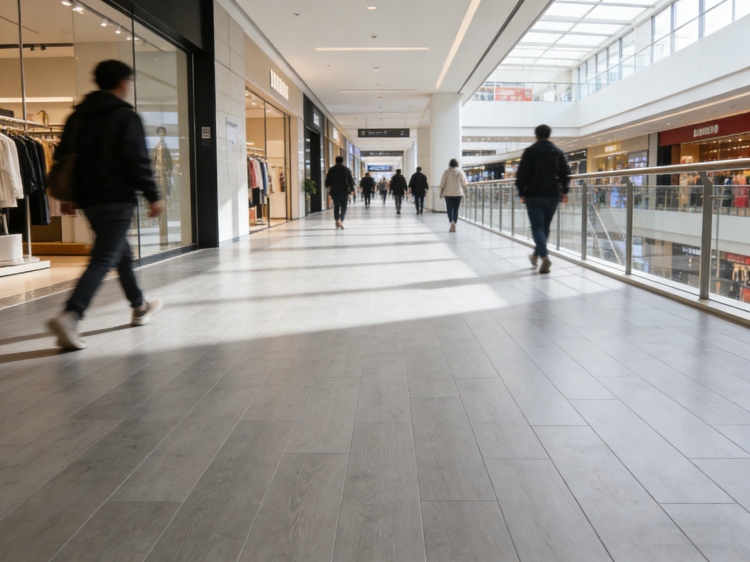
This expansion is fueled by a significant shift in consumer preference from traditional hardwood and ceramic tiles to rigid core solutions. Unlike traditional flooring, SPC offers the aesthetic appeal of wood or stone with superior functional benefits. The commercial use segment is expanding rapidly, particularly in retail, hospitality, and office spaces, due to the flooring's ability to withstand heavy foot traffic without denting .
Why SPC? Unpacking the Rigid Core Advantage
To understand the market dominance, one must look at the engineered structure of the product. SPC flooring is a multi-layered, technologically advanced product. It distinguishes itself from traditional WPC (Wood Plastic Composite) through its unique core composition.
The Composition of Durability
The rigid core is primarily composed of a blend of limestone powder (calcium carbonate) and polyvinyl chloride (PVC) , along with stabilizers. This combination results in a core that is not only 100% waterproof but also incredibly dimensionally stable . Typically, the core consists of about 60-70% limestone, which gives the product its "stone-like" stiffness .
A typical high-quality SPC structure includes the following layers :
UV Coating: The top layer protects against stains, discoloration, and provides light wear resistance.
Transparent Wear Layer: This is critical for longevity. For commercial applications, a wear layer of 0.5mm or higher is recommended to prevent scratching .
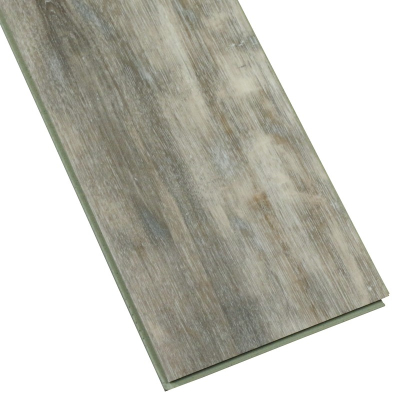
Decorative Film Layer: High-resolution digital printing that mimics natural materials.
SPC Rigid Core: The heart of the product, providing waterproofing and impact resistance.
Attached Underlayment (IXPE): Often added to improve sound insulation (acoustic performance) and underfoot comfort .
A Look Inside the Production Process
Modern SPC flooring manufacturing is a feat of precision engineering. The process begins with the precise mixing of raw materials (PVC, calcium carbonate, additives) via automatic dosing systems. This compound is then fed into a twin-screw extruder. Unlike traditional methods that require separate gluing, advanced production lines utilize a five-roll calender system where the core, decorative film, and wear layer are fused together under heat and pressure in a single, continuous process .
Following this, the boards are cooled, cut to size, and subjected to precision click-lock milling. Finally, an acoustic IXPE layer may be laminated to the back before robotic packaging .
Strategic Sourcing: Quality and Compliance in the Supply Chain
For B2B buyers, navigating the SPC flooring market requires a keen eye on supplier capability and material integrity.
China’s Role and Global Manufacturing Hubs
The supply chain remains heavily concentrated in Asia, particularly in China’s Zhejiang and Henan provinces, which benefit from vertical integration and proximity to major shipping ports like Ningbo and Shanghai . These industrial clusters allow for economies of scale that can lower per-unit costs significantly. Major global players, including Mohawk, Mannington, and Decno Group, alongside specialized manufacturers like Zhejiang Walrus New Material and Tianzhen Bamboo Flooring, dominate the competitive landscape .
Key Evaluation Criteria for Bulk Orders
When vetting suppliers, international buyers should look beyond price points. Here are critical technical aspects to verify :
Material Integrity: Insist on virgin PVC and virgin calcium carbonate. Recycled content can compromise dimensional stability, leading to warping or gapping.
Core Thickness & Density: A standard core thickness of 4mm to 8mm provides structural rigidity for most applications.
Wear Layer Specifications: For residential use, a 0.3mm wear layer may suffice. For commercial SPC flooring, a 0.5mm to 0.7mm wear layer is the industry benchmark for longevity.
Certifications: Ensure compliance with international standards. Look for ISO 9001, CE marking, FloorScore or Greenguard Gold for low VOC emissions, and fire safety ratings like ASTM E648 Class A .

Trend Analysis: What’s Shaping Future Demand?
The future of the rigid core flooring market is being shaped by three major trends:
Sustainability and Green Building: There is a growing demand for low-carbon footprints. Manufacturers are innovating with bio-based plastics and ensuring production processes are energy efficient. Certifications like EPD (Environmental Product Declaration) are becoming a prerequisite for large-scale commercial tenders .
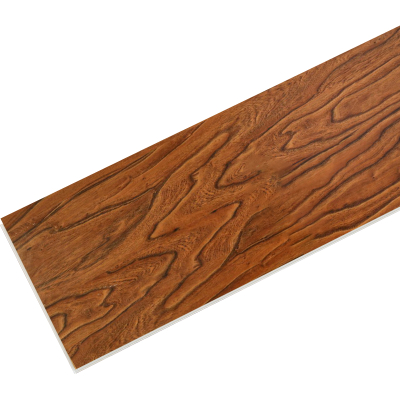
Hyper-Realistic Aesthetics: Digital printing technology has advanced to the point where SPC flooring can now perfectly replicate high-end marble and rare wood grains with synchronized embossing, where the texture matches the printed pattern .
Ease of Installation: The click-lock installation system has become the global standard, reducing labor costs and allowing for floating installations over existing subfloors. This "DIY-friendly" aspect continues to drive residential adoption .
Frequently Asked Questions (FAQ) for B2B Buyers
Q1: What are the typical Minimum Order Quantities (MOQs) for SPC flooring?
MOQs vary significantly based on the supplier and product type. While some mass-market suppliers or trading companies might offer low MOQs (as low as 2 pieces for samples), standard bulk exporters typically require 500 to 1,000 square meters for stock designs. For fully customized OEM orders (private labeling, specific colors), MOQs usually start at 5,000 square meters .
Q2: How can I verify the waterproof claim before placing a large order?
While lab reports are essential, physical testing is recommended. Reputable suppliers will provide samples. You can perform a simple "bag test" by placing a water-filled bag on the core for 24 hours. Professionally, you should request the supplier's test report for water absorption rate, which should be below 0.3% . Check for the ISO 24344 standard for indentation and moisture resistance .
Q3: Is SPC flooring suitable for underfloor heating systems?
Yes, SPC flooring is an excellent conductor of heat, making it compatible with underfloor heating systems. Due to its dimensional stability, it will not expand or contract dramatically with temperature changes, unlike wood. However, it is crucial to follow the manufacturer's guidelines regarding maximum surface temperatures to prevent damage to the planks .
Q4: What is the difference between "Recycled PVC Type" and "Non-recycled PVC Type" SPC?
Non-recycled PVC Type: This uses virgin materials, offering superior strength, flexibility, and consistency. It is the preferred choice for high-end commercial and residential projects .
Recycled PVC Type: This incorporates post-industrial or post-consumer recycled content. While more eco-friendly and often cheaper, it may carry risks of inconsistent color and lower impact resistance. It is typically used in budget-sensitive projects.
Conclusion: Partnering for Success
The global appetite for SPC flooring shows no signs of slowing down. Its unique combination of stone-derived strength and aesthetic versatility makes it a winning solution for modern interiors. However, success in this competitive market hinges on supplier reliability, product compliance, and material quality.
As a buyer, moving forward requires a partnership approach—working with manufacturers who are transparent about their raw material sources, production capabilities, and certification processes.