Understanding the Surge in LVT Demand
In the global flooring market, LVT flooring (Luxury Vinyl Tile) has emerged as one of the fastest-growing segments. The market continues to expand robustly, with projections estimating it will exceed USD 55 billion by 2028, maintaining a compound annual growth rate (CAGR) of over 6.5%. This growth is primarily driven by the recovery of commercial and residential construction projects, increasing demand for retail renovations, and a global rise in the need for durable, aesthetically pleasing, and low-maintenance flooring solutions.
For international B2B buyers—including construction contractors, real estate developers, interior design firms, and building material distributors—understanding the core value and market dynamics of LVT flooring is crucial. It is not merely a floor covering but a strategic choice that meets diverse design requirements, reduces long-term maintenance costs, and enhances the sustainability profile of projects.
Technical Deep Dive: The Structure and Manufacturing of LVT
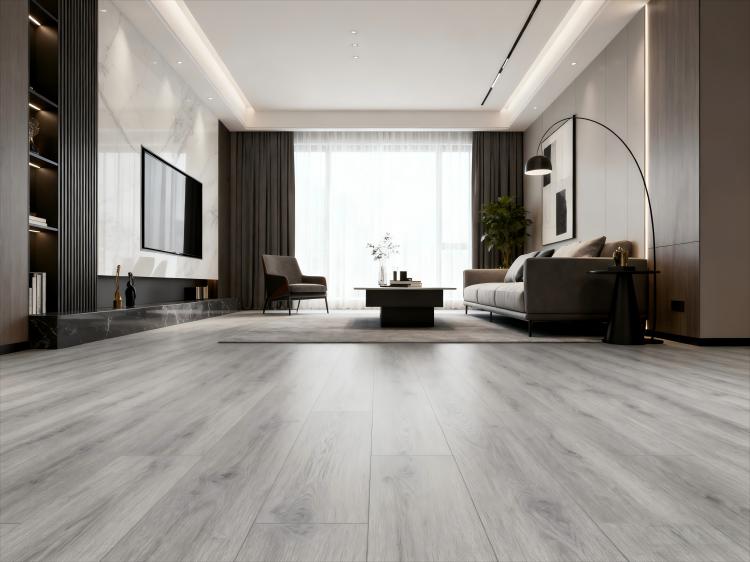
Modern luxury vinyl tile flooring is a multi-layered composite product whose superior performance stems from precise engineering.
A typical LVT structure comprises:
Wear Layer: The topmost layer, usually made of clear polyurethane (PU) or reinforced aluminum oxide coating, provides exceptional scratch, stain, and chemical resistance, determining the floor's longevity.
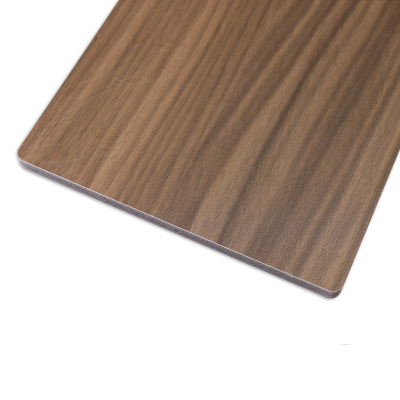
Design Layer: A high-resolution photographic image layer that accurately mimics the texture and color of natural wood, stone, concrete, or even artistic patterns, catering to diverse interior design aesthetics.
Core Layer: This is the "backbone" of LVT. Traditional flexible LVT uses a vinyl base, while the popular rigid core LVT (such as SPC flooring - Stone Plastic Composite and WPC - Wood Plastic Composite) utilizes a rigid core made from a composite of limestone powder and stabilizers. SPC flooring is particularly renowned for its outstanding dimensional stability, impact resistance, and moisture resistance, making it suitable for underfloor heating and high-traffic commercial areas.
Backing Layer: Provides additional comfort, acoustic insulation (e.g., with attached IXPE or cork underlayment), and ensures compatibility with various subfloors.
The manufacturing process integrates advanced technologies like calendaring, hot pressing, and UV curing, ensuring precise dimensional accuracy, consistent pattern clarity, and outstanding physical properties for every plank and tile.
Key Market Trends Shaping the Future of LVT
The Dominance of Rigid Core LVT: Products like SPC vinyl flooring and WPC are becoming the industry standard, especially for commercial flooring projects. Their click-lock installation systems facilitate fast, floating floor installations without full adhesive bonding, significantly reducing labor time and costs.
Sustainability as a Core Driver: Eco-conscious procurement is paramount. Leading manufacturers now offer LVT with high recycled content, phthalate-free formulations, and third-party certifications (like FloorScore, GREENGUARD). Additionally, LVT flooring is fully recyclable at the end of its long life cycle, aligning with circular economy principles.
Digitalization in Design and Purchase: The adoption of waterproof vinyl flooring in residential spaces like kitchens and bathrooms is accelerating. Furthermore, digital tools such as Augmented Reality (AR) room visualizers and seamless online sample ordering are becoming essential services for B2B buyers to streamline selection and specification.
Hybrid Performance: The market demands floors that combine aesthetics with functionality. Commercial LVT increasingly features enhanced slip resistance, superior acoustic ratings for multi-story buildings, and anti-microbial properties for healthcare and education sectors.
Application Advantages: Why Choose LVT for Your Project?
Unmatched Durability & Low Maintenance: With a thick wear layer, LVT withstands heavy foot traffic, rolling chairs, and impacts, making it ideal for office flooring, retail stores, and hospitals. Routine cleaning requires only sweeping and damp mopping.
Superior Waterproof Performance: The non-porous vinyl construction makes most LVT, especially rigid core variants, 100% waterproof, perfect for basements, bathrooms, and food service areas.
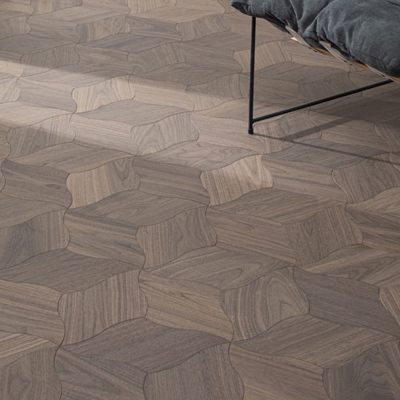
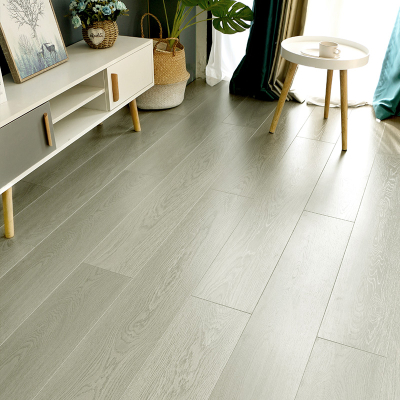
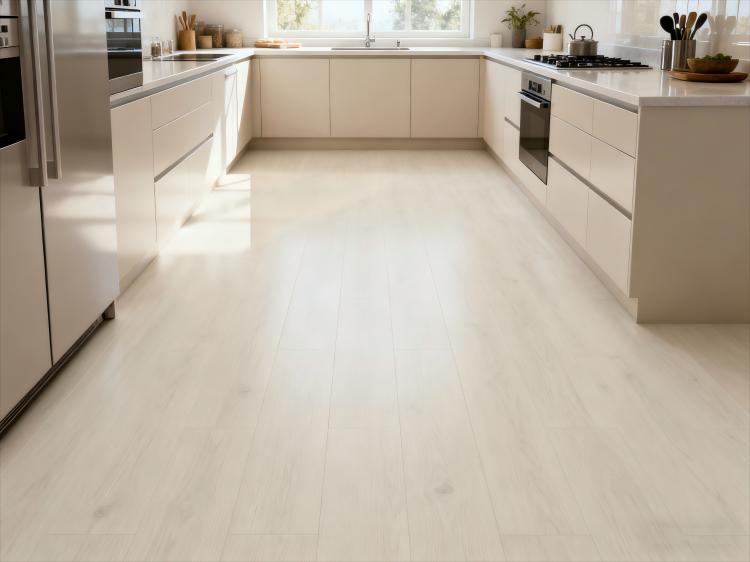
Design Versatility & Realism: Advanced printing and embossing technologies create stunningly realistic reproductions of oak, marble, or terrazzo at a fraction of the cost of natural materials.
Cost-Effectiveness: When considering total cost of ownership—including purchase price, installation speed, minimal subfloor preparation, and near-zero maintenance—LVT offers exceptional value.
FAQ: Answers for B2B Buyers
Q1: What is the difference between standard LVT and Rigid Core LVT (SPC/WPC)?
A1: Standard LVT is flexible and often requires full-spread adhesive installation. Rigid Core LVT, like SPC flooring, has a solid, dimensionally stable core that allows for a floating, click-lock installation. It provides superior indent resistance, stability in temperature fluctuations, and is often more suitable for DIY or quick commercial installs over slightly uneven subfloors.
Q2: Is LVT flooring suitable for commercial projects with very high traffic?
A2: Absolutely. For commercial applications, specify LVT with a commercial-grade wear layer (typically 0.5mm and above). Products are rated using the European EN 685 standard (Class 34/43 for heavy commercial) or the American ASTM F3261 standard. These floors are designed to withstand the rigors of airports, shopping malls, and offices for decades.
Q3: Can LVT be installed over radiant heating (underfloor heating) systems?
A3: Yes, most rigid core LVT products are compatible with water-based and electric underfloor heating systems. It is crucial to consult the manufacturer's technical data sheet for specific maximum temperature limits (usually around 27°C/80°F surface temperature) and follow installation guidelines to ensure optimal heat transfer and system integrity.
Q4: How sustainable is LVT compared to other flooring types?
A4: Modern LVT has made significant sustainability strides. Key points include: long lifespan reducing replacement frequency, low maintenance without harsh chemicals, use of recycled materials in the core, and phthalate-free manufacturing. Many products are also recyclable. Look for relevant environmental product declarations (EPDs) and certifications to verify claims.
Conclusion and Call to Action
LVT flooring represents a smart, future-proof investment for a wide spectrum of projects, from luxury residential villas to demanding commercial infrastructures. Its evolution continues to be shaped by technological innovation, environmental responsibility, and ever-more creative design possibilities.
As you evaluate flooring options for your next project or inventory, partnering with a knowledgeable and reliable supplier is key. We specialize in providing high-performance, certified LVT solutions for the global B2B market. Our product range includes premium SPC vinyl flooring, commercial-grade collections, and the latest in realistic designs.