Laminate Flooring Wholesale
The Comprehensive Guide to Sourcing Laminate Flooring Wholesale for Global B2B Buyers
The global demand for practical, aesthetically pleasing, and cost-effective flooring solutions continues to rise, positioning laminate flooring as a cornerstone product in the construction and interior design industries. For international B2B buyers—including importers, distributors, large-scale contractors, and property developers—sourcing laminate flooring wholesale is a strategic procurement decision. Navigating this market requires an understanding of industry dynamics, product innovations, and reliable supply chain partners. This article provides a professional overview of the wholesale laminate flooring landscape, offering insights to inform your purchasing strategy.

Industry Overview and Market Drivers for Wholesale Laminate Flooring
Laminate flooring has evolved from a basic alternative to hardwood into a sophisticated product category in its own right. The global market is characterized by robust production capacities, particularly in Asia and Europe, feeding into complex international supply chains. The appeal of bulk laminate flooring lies in its exceptional value proposition: it delivers the visual appeal of natural wood or stone at a fraction of the cost and with significantly enhanced durability.
Key drivers for the wholesale market include the sustained growth in global construction activity, especially in residential and commercial sectors, and the rising trend of renovation and remodeling projects. The product's suitability for high-traffic areas such as retail spaces, offices, and educational institutions makes it a preferred choice for commercial buyers. Furthermore, the increasing consumer preference for quick, hassle-free installation (often via click-lock systems) aligns perfectly with the needs of contractors and installers who purchase in large volumes.
Key Product Trends and Innovations Shaping Wholesale Supply
Staying competitive requires awareness of the evolving product features that end-consumers and commercial clients demand. Leading laminate flooring wholesale suppliers are innovating rapidly in several key areas:
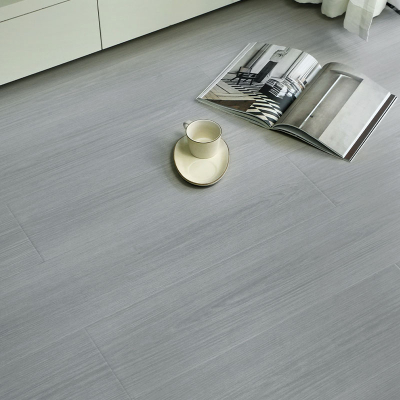
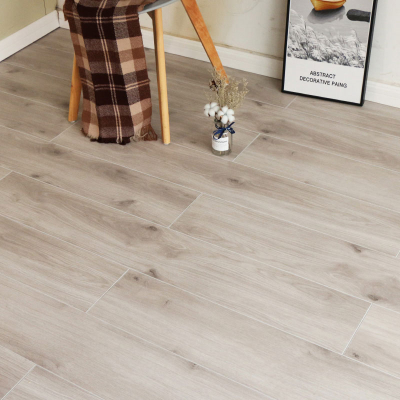
Advanced Visual Realism: High-definition printing and embossing technologies now create planks that meticulously replicate the grain, texture, and even the "feel" of authentic hardwood or natural stone. Beveled edges and varied plank lengths add to the realistic appearance.
Enhanced Durability and Performance: The focus is on improving the wear layer (AC rating), making floors more resistant to scratches, stains, and fading. Water-resistant and waterproof core technologies (using HDF or polymer cores) have revolutionized the category, expanding laminate's usability to kitchens, bathrooms, and other moisture-prone areas.
Sustainability as a Standard: Eco-conscious manufacturing is no longer a niche. Buyers increasingly seek products with certifications like CARB2, EPLF, and those made from sustainably sourced materials. Low-VOC emissions are a critical requirement for indoor air quality.
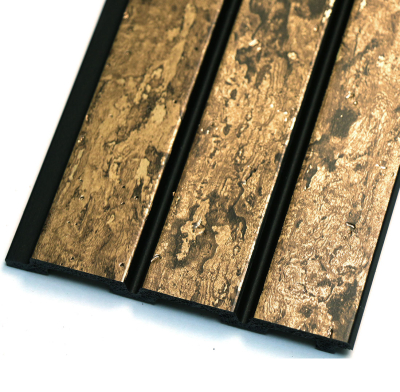
Design Diversity: Beyond traditional oak and maple looks, trends include wide-plank formats, herringbone patterns, distressed finishes, and concrete or metallic visual effects, catering to diverse architectural styles.

Understanding Laminate Flooring Construction: The HPL Process
A fundamental understanding of how laminate flooring is manufactured reinforces quality assessment during wholesale purchasing. The standard method is High-Pressure Laminate (HPL) manufacturing:
Layer Composition: A laminate plank is a multi-layer fusion. The bottom layer is a stabilizing backing. Above it is the high-density fiberboard (HDF) core, providing structural integrity. The decorative layer is a high-resolution printed paper that defines the floor's appearance. The topmost layer is a clear, durable wear layer made of aluminum oxide.
Fusion Process: These layers are fused together under intense heat and extreme pressure (exceeding 300 psi). This process creates an exceptionally hard, unified panel that is resistant to wear, impact, and heat.
Finishing: The fused panel is then precisely cut into planks or tiles, and the edges are milled with precision click-lock systems (like Unilin or Välinge) for easy, glue-less installation.
This engineered process ensures consistency—a crucial factor when ordering commercial laminate flooring in bulk, as it guarantees uniform quality, color, and dimensions across large shipments.
Strategic Sourcing: How to Identify Reliable Wholesale Laminate Flooring Suppliers
Selecting the right partner is paramount. Here are critical factors for B2B buyers to consider:
Manufacturing vs. Trading Company: Determine if the supplier owns a factory. Manufacturers typically offer greater control over quality, production lead times, and customization options (e.g., private labeling, custom packaging). Trading companies may provide a wider range of brands but with less direct oversight.
Certifications and Compliance: Verify international quality (ISO), environmental (CARB, E1/E0), and flooring-specific (AC Rating, NALFA) certifications. These are non-negotiable for market access in regions like North America and the European Union.
Minimum Order Quantity (MOQ) and Logistics: Clarify MOQ policies, whether by container load (FCL) or pallet. Assess the supplier's experience with international shipping, documentation, and Incoterms to ensure smooth logistics.
Sample Evaluation: Always request physical samples to personally assess quality, color accuracy, locking system ease, and surface texture before placing a large bulk order for laminate flooring.

Frequently Asked Questions (FAQ) for B2B Buyers
Q1: What is the typical AC rating suitable for commercial projects, and how does it affect wholesale pricing?
A1: For commercial applications with moderate to heavy traffic (e.g., offices, boutiques), AC4 rating is the standard. For very heavy traffic (e.g., department stores), AC5 is recommended. Higher AC ratings involve more robust materials and manufacturing, which can increase the wholesale price per square meter, but they offer superior longevity and lower lifetime cost.
Q2: Can we request custom specifications, such as unique sizes, thicknesses, or private label packaging?
A2: Reputable laminate flooring manufacturers for wholesale often accommodate custom requests. However, this usually applies to full container load (FCL) orders and may involve tooling fees and longer lead times. Clear communication about specifications during the quotation stage is essential.
Q3: What are the primary advantages of waterproof laminate flooring cores, and are they worth the premium?
A3: Waterproof cores (using technologies like stone-plastic composite or improved HDF) provide exceptional protection against moisture damage, including swelling and warping. They are highly recommended for projects in climates with high humidity, commercial spaces prone to spills, or residential areas like kitchens and basements. The price premium is often justified by reduced installation risks and wider application scope.
Q4: What key documentation should we expect from a wholesale supplier for international shipping?
A4: Professional suppliers should provide a comprehensive set of documents, including a Commercial Invoice, Packing List, Bill of Lading, Certificate of Origin, and any relevant test reports or product certifications. This paperwork is crucial for customs clearance and compliance in your destination country.

Conclusion and Professional Call to Action
The wholesale laminate flooring market presents a dynamic and valuable opportunity for B2B buyers worldwide. Success hinges on combining product knowledge—from technical specifications to design trends—with strategic partnership selection. By prioritizing suppliers who demonstrate manufacturing expertise, rigorous quality control, and a commitment to innovation, you can secure a reliable supply of high-quality flooring that meets the demands of your end-market.