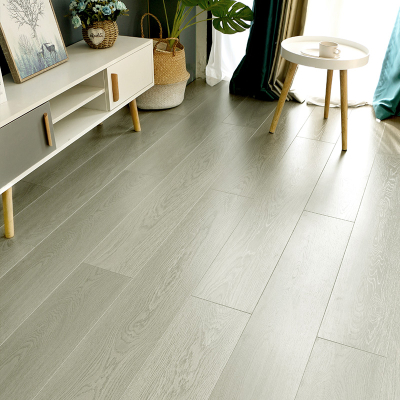
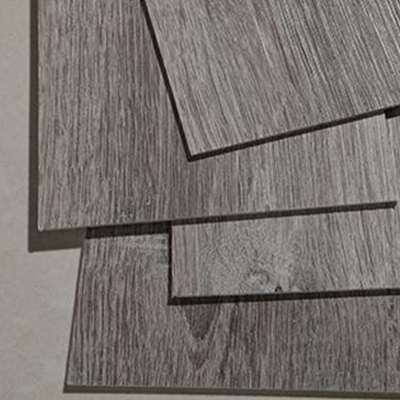
Stone Plastic Composite Flooring
Introduction to Stone Plastic Composite Flooring
In the evolving world of modern construction and interior design, flooring solutions that combine durability, aesthetics, and practicality are in high demand. Stone Plastic Composite (SPC) flooring has emerged as a formidable leader in the rigid core flooring category, capturing significant market share globally. This innovative product is engineered to meet the rigorous demands of both high-traffic commercial spaces and discerning residential projects. For B2B buyers, including importers, distributors, contractors, and project developers, understanding the value proposition of SPC flooring is crucial for making informed purchasing decisions and capitalizing on a growing market trend. This article delves into the industry background, technical specifications, market dynamics, and future outlook of this resilient flooring solution.

Industry Background and Global Market Landscape
The global flooring industry has witnessed a paradigm shift towards innovative, high-performance materials. The demand for waterproof composite flooring has surged, driven by increasing awareness of material longevity and low maintenance requirements. SPC flooring, a core component of the Luxury Vinyl Tile (LVT) segment, represents the latest evolution in this space. Its composition offers superior dimensional stability and impact resistance compared to earlier generations of flexible vinyl or wood-plastic composite products.
Market analysis indicates sustained growth for the rigid core flooring sector, with SPC being a primary driver. Key factors propelling this growth include rapid urbanization, a boom in commercial construction and renovation, and a rising preference for low-maintenance commercial flooring in sectors such as healthcare, education, retail, and hospitality. Furthermore, the residential remodeling market consistently seeks durable and stylish options for areas like kitchens, bathrooms, and basements, where moisture resistance is paramount. Regions such as North America, Europe, and the Asia-Pacific are significant markets, with production heavily concentrated in manufacturing hubs that offer advanced production capabilities and scale.
Technical Breakdown: What is SPC Flooring?
Composition and Manufacturing Process
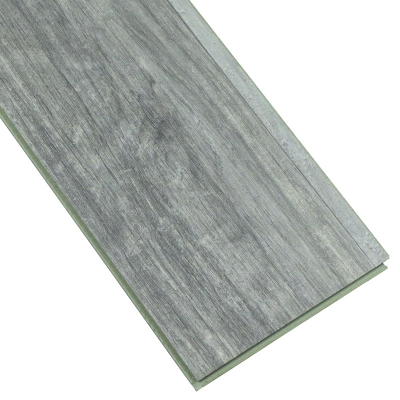
Stone Plastic Composite flooring is a multi-layered, rigid core product. Its name derives from its core layer, which is a dense amalgamation of limestone (calcium carbonate), polyvinyl chloride (PVC), and stabilizers. This core is manufactured under high heat and pressure, resulting in an exceptionally stable and rigid plank or tile.
A standard SPC floorboard consists of four primary layers:
Wear Layer: A transparent, durable urethane coating that provides resistance to scratches, stains, and wear. The thickness of this layer directly correlates with the product's commercial rating and longevity.
Decorative Layer: A high-definition printed film that replicates the authentic appearance of natural wood, stone, or ceramic. Advanced printing technologies allow for remarkable realism and a wide variety of designs.
Core Layer: The heart of the product—the SPC rigid core. This layer is inert, waterproof, and provides the structural integrity that prevents expansion, contraction, and indentation.
Underlayment/Backing Layer: Often an attached foam or cork pad that offers underfoot comfort, sound dampening, and additional moisture protection.
The SPC flooring manufacturing process involves precise calibration, lamination, and cutting to ensure uniform thickness, precise locking systems (like click-lock or fold-lock), and consistent quality across production runs.

Key Performance Advantages
The technical construction of SPC flooring translates into tangible benefits for end-users, which are powerful selling points for B2B buyers:
100% Waterproof: The mineral-based core is impervious to water, making it ideal for any room in a building, including below-grade installations.
Extreme Durability and Stability: Highly resistant to dents, scratches, and impacts. It does not expand or contract with temperature fluctuations, ensuring long-term performance.
Easy Installation and Low Maintenance: The click-lock installation system facilitates efficient floating floor installation without the need for adhesives in most cases. Maintenance requires only regular sweeping and occasional damp mopping.
Safety and Comfort: Many SPC products feature textured wear layers for slip resistance and integrated underlayment for noise reduction and underfoot comfort.
Sustainability: As a formaldehyde-free rigid core flooring option, high-quality SPC flooring meets strict indoor air quality standards (like FloorScore or GREENGUARD). It is also a long-lasting alternative to natural resources.
Current Market Trends and Future Outlook
The SPC flooring market is characterized by several key trends that savvy B2B buyers should monitor:
Design Innovation: Manufacturers are continuously expanding design libraries to include ultra-realistic wood visuals (with embossed-in-register textures), large-format stone and concrete looks, and unique artistic patterns.
Enhanced Performance Features: The development of heavier, denser cores and advanced wear layers with enhanced scratch and stain resistance is pushing the boundaries for use in ultra-high-traffic areas.
Sustainability Focus: The demand for eco-friendly vinyl flooring is rising. This drives innovation in using recycled content, bio-based plasticizers, and fully recyclable product take-back programs.
Growth in Click-Tile Formats: While plank formats dominate, the market for large-format SPC click-tiles, mimicking porcelain or ceramic, is growing rapidly for commercial applications.
Supply Chain Diversification: To mitigate risks and meet regional demand, manufacturing is expanding beyond traditional hubs, influencing logistics and sourcing strategies for global buyers.

Frequently Asked Questions (FAQ) for Buyers
Q1: What is the difference between SPC flooring and WPC (Wood Plastic Composite) flooring?
A: The core is the primary difference. SPC has a denser, stone-based core, making it more rigid, dimensionally stable, and resistant to indentation than WPC, which has a foamed PVC/wood composite core that can feel slightly softer underfoot. SPC is generally preferred for areas requiring maximum stability and moisture resistance.
Q2: Is SPC flooring suitable for commercial-grade applications?
A: Absolutely. SPC flooring is extensively used in commercial settings. Its suitability is determined by the thickness of the wear layer (measured in mils). Products with a 20-mil wear layer or higher are typically rated for moderate to heavy commercial traffic, making them ideal for offices, schools, retail stores, and healthcare facilities.
Q3: How is SPC flooring installed, and what are the subfloor requirements?
A: Most SPC flooring utilizes a floating click-lock installation system over an underlayment. It can be installed over most existing hard, flat, and smooth subfloors (concrete, plywood, ceramic tile, vinyl) without adhesives. Critical subfloor requirements are that it must be level, clean, and dry. Some commercial projects may specify glue-down installation for added stability.
Q4: Can SPC flooring claim to be an environmentally friendly choice?
A: Reputable SPC flooring can be a sustainable choice. Key certifications to look for include:
FloorScore or GREENGUARD Gold: Certifies low VOC emissions for indoor air quality.
Phthalate-Free Formulations: Ensures the absence of certain plasticizers.
Recycled Content: Some products incorporate pre- or post-consumer recycled materials.
Always request specific environmental product declarations (EPDs) and certifications from your supplier.