SPC Hybrid Flooring: Ultimate Guide for B2B Buyers & Sourcing
SPC Hybrid Flooring: The Definitive B2B Guide to the Next-Generation Resilient Flooring
The global flooring industry is witnessing a paradigm shift, driven by evolving consumer preferences, stringent environmental regulations, and continuous material innovation. Among the various segments, the resilient flooring category has emerged as a powerhouse of growth, and at its forefront sits SPC Hybrid Flooring (Stone Plastic Composite). This advanced flooring solution has rapidly transitioned from a niche product to a mainstream choice for both residential and commercial projects worldwide. For international B2B buyers—including importers, distributors, contractors, and project developers—understanding this product is no longer optional; it is essential for staying competitive in a dynamic market. This comprehensive guide delves into the industry background, technical advantages, market trajectory, and key sourcing considerations for SPC Hybrid Flooring.

The Rising Demand for Resilient & Waterproof Flooring Solutions
The modern flooring market is shaped by several converging trends. Consumers and commercial clients alike demand products that combine aesthetics with extreme practicality. The desire for authentic wood and stone visuals without the associated maintenance hassles or high cost is a primary market driver. Simultaneously, the surge in waterproof flooring demand, fueled by applications in kitchens, bathrooms, basements, and high-moisture commercial spaces, has created a fertile ground for SPC's growth.
Furthermore, the global emphasis on sustainable building materials and healthier indoor environments has pushed manufacturers to innovate. SPC rigid core flooring responds directly to these needs, offering a durable, low-VOC (Volatile Organic Compounds), and often recyclable alternative. For B2B buyers, this translates into a product line that meets a wide spectrum of project requirements, from luxury residential renovations to high-traffic retail and educational facilities, ensuring a broad and resilient customer base.
Decoding SPC Hybrid Flooring: Composition and Technical Superiority
What is SPC Hybrid Flooring?
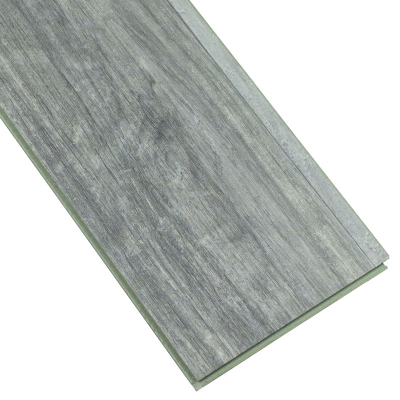
At its core, SPC vinyl flooring is a type of rigid core vinyl plank or tile. Its name, Stone Plastic Composite, reveals its primary composition: a dense core layer made from a mixture of limestone powder (calcium carbonate), polyvinyl chloride (PVC), and stabilizers. This core is then finished with a high-definition printed vinyl decorative layer and topped with a robust, transparent wear layer, usually made from polyurethane (PU) or enhanced urethane.

Key Technical Advantages for Commercial & Residential Use
The multi-layer construction of waterproof rigid core flooring like SPC confers distinct technical benefits that outperform traditional flooring options:
Unmatched Dimensional Stability & Waterproofing: The limestone-rich SPC core is inherently inert and impervious to water. Unlike some materials that expand or warp with temperature and humidity fluctuations, SPC planks remain dimensionally stable. This makes SPC flooring for high humidity areas like bathrooms, basements, and even commercial laundry rooms an ideal, risk-free choice.
Exceptional Durability & Load-Bearing Capacity: The rigid core provides superior resistance to indentation from heavy furniture, appliances, and foot traffic. The commercial-grade wear layer offers outstanding resistance to scratches, stains, and abrasions, directly impacting the durability of commercial SPC flooring and reducing long-term maintenance costs.
Ease of Installation & Cost Efficiency: Most SPC flooring installation utilizes a simple click-lock, floating floor system. This requires no glue or nails, significantly reducing labor time and cost. It can be installed over most existing subfloors, including concrete, ceramic tile, and certain existing vinyl, making it a versatile option for renovation projects.
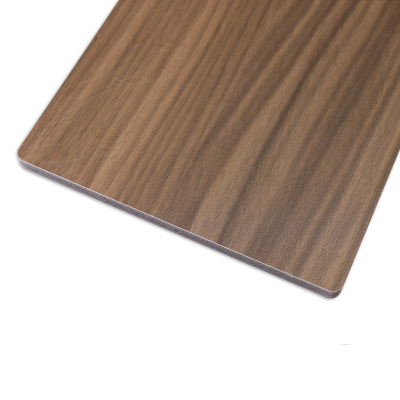
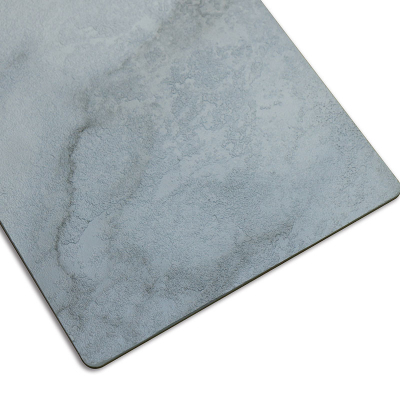
Aesthetic Versatility & Realism: Advanced printing technologies allow for an extensive range of designs, including ultra-realistic wood grain, concrete, and stone textures. Embossed-in-register (EIR) techniques, where the texture aligns perfectly with the print, further enhance the authentic look and feel.
Market Outlook and Sourcing Trends for B2B Buyers
The trajectory for SPC flooring market growth remains strongly positive. Its value proposition aligns perfectly with global construction and renovation trends, including rapid urbanization, the rise of DIY/home improvement sectors, and the growth of commercial real estate in emerging economies.
For international buyers, several sourcing trends are critical:
Tiered Product Lines: Leading manufacturers now offer tiered collections—Residential, Medium Commercial, and Heavy Commercial—with varying wear layer thicknesses (from 6 mil to 30+ mil) and core densities to cater to specific project budgets and traffic demands.
Sustainability Certifications: Products with GREENGUARD Gold, FloorScore, or other international environmental certifications are becoming a baseline requirement for projects in North America and Europe, influencing sourcing SPC flooring decisions.
Innovation in Surface Technology: The integration of anti-bacterial treatments, enhanced slip resistance, and improved scratch-resistant coatings are becoming key differentiators.

A Glimpse into the Manufacturing and Application Process
The manufacturing of quality SPC flooring involves precise, automated processes. Raw materials (limestone powder, PVC, stabilizers) are mixed and calendared into a solid, dense core sheet. The decorative vinyl film is fused onto this core, followed by the application of a liquid wear layer that is cured under UV light. The planks are then precision-cut with micro-beveled edges and the click-lock milling is applied.
In application, the SPC flooring installation process is straightforward: prepare a clean, level subfloor; lay an underlayment (if not attached); and click the planks together row by row. No acclimatization is typically needed. This efficiency makes it highly appealing for large-scale B2B projects where timeline and budget predictability are paramount.
FAQ: Essential Questions from B2B Buyers on SPC Hybrid Flooring
Q1: How does SPC flooring differ from WPC (Wood Plastic Composite) flooring?
A: The core is the key difference. SPC has a denser, more mineral-based (limestone) core, making it harder, more dimensionally stable, and often more affordable. WPC has a foamed PVC/wood flour core, which can feel slightly softer underfoot but may be less resistant to heavy, concentrated loads. For high-load commercial spaces, commercial-grade SPC flooring is often the preferred choice.

Q2: Is SPC flooring truly 100% waterproof and suitable for wet rooms?
A: Yes, the SPC core itself is completely waterproof. When paired with a properly installed click-lock system and waterproof underlayment, it creates a barrier that prevents water from penetrating to the subfloor. This makes it an excellent choice for waterproof flooring for bathrooms and basements. However, ensuring seams are tight and using silicone sealant in perimeter areas is recommended for prolonged standing water exposure.
Q3: What wear layer thickness should I select for different applications?
A: Wear layer thickness is the best indicator of durability.
Residential (Light to Medium Traffic): 6-12 mil.
Residential (Heavy Traffic) / Light Commercial (Offices, Boutiques): 12-20 mil.
Medium to Heavy Commercial (Retail Stores, Schools, Clinics): 20-30+ mil.
B2B buyers should specify the intended application to their supplier to get the correct product tier.
Q4: Can SPC flooring be installed over radiant heating systems?
A: Most quality SPC products are compatible with low-temperature water-based or electric radiant floor heating systems. It is crucial to confirm the specific maximum temperature tolerance with the manufacturer (usually around 27°C / 80°F surface temperature) and follow the installation guidelines precisely to avoid voiding warranties.