Premium Laminate Flooring: B2B Buyer's Guide & Market Insights
Introduction
In today's competitive global market, premium laminate flooring has emerged as a top choice for commercial and residential projects, combining aesthetic appeal with exceptional durability. As international B2B buyers seek reliable and cost-effective flooring solutions, understanding the nuances of high-quality laminate products is crucial. This comprehensive guide delves into the industry background, market data, key trends, and technological advancements shaping the premium laminate flooring sector. Whether you're a distributor, contractor, or developer, this article provides valuable insights to inform your purchasing decisions and capitalize on growing demand.
Industry Background
Historical Development and Evolution
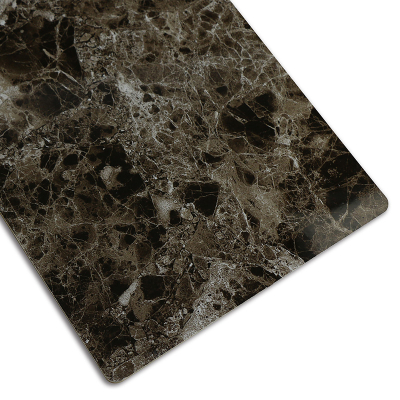
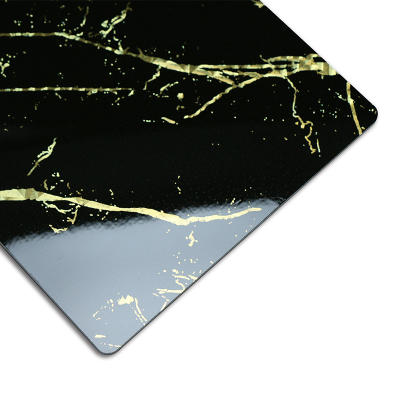
The laminate flooring industry has evolved significantly since its inception in the 1970s. Initially developed as an affordable alternative to hardwood, early versions focused on basic functionality. However, advancements in manufacturing technology have transformed premium laminate flooring into a sophisticated product that rivals natural materials in appearance and performance. The introduction of high-resolution printing and embossing techniques has enabled manufacturers to create realistic wood and stone textures, catering to discerning B2B clients who value both aesthetics and practicality.
Current Market Landscape
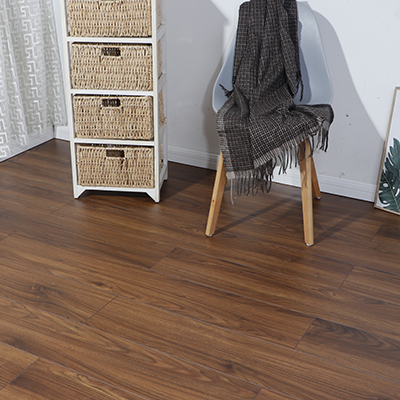
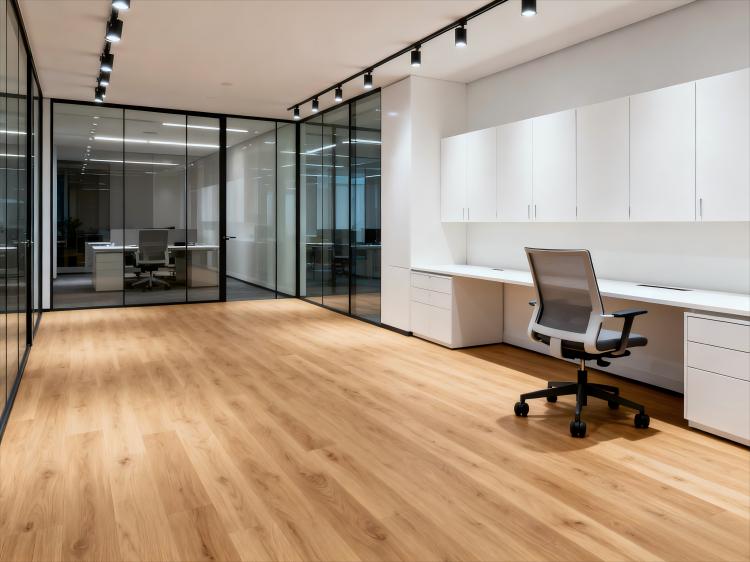
Today, the global market for premium laminate flooring is characterized by intense competition and innovation. Key players from Europe and North America dominate the high-end segment, while Asian manufacturers are rapidly gaining traction with cost-effective solutions. The industry's shift towards sustainability and digitalization has further fueled growth, making high-quality laminate flooring a staple in commercial spaces, hospitality venues, and upscale residential projects. B2B buyers can now access a diverse range of designs, including oak, walnut, and ceramic mimics, ensuring versatility for various applications.
Market Data and Growth Projections
Global Market Size and Key Regions
According to recent industry reports, the global premium laminate flooring market was valued at approximately $30 billion in 2023 and is projected to grow at a compound annual growth rate (CAGR) of 5.5% through 2030. Europe holds the largest market share, driven by stringent environmental regulations and high consumer awareness. North America follows closely, with the United States witnessing a surge in demand for durable laminate floors in commercial renovations. The Asia-Pacific region is expected to exhibit the fastest growth, fueled by urbanization and increasing disposable incomes in countries like China and India.
Factors Driving Demand
Several factors contribute to the rising popularity of premium laminate flooring among B2B buyers. Cost-effectiveness remains a primary driver, as these products offer the look of hardwood at a fraction of the price. Additionally, enhanced durability features, such as scratch and moisture resistance, make them ideal for high-traffic areas. The growing emphasis on green building certifications, like LEED and BREEAM, has also spurred demand for eco-friendly laminate flooring options that utilize recycled materials and low-VOC finishes.
Trend Analysis in Premium Laminate Flooring
Sustainability and Environmental Considerations
Sustainability is no longer a niche concern but a mainstream demand in the premium laminate flooring market. B2B buyers are increasingly prioritizing products with Forest Stewardship Council (FSC) certification and those made from post-consumer recycled content. Manufacturers are responding by developing green laminate flooring solutions that reduce carbon footprints and promote circular economy principles. For instance, some companies now use water-based adhesives and formaldehyde-free cores, aligning with global environmental standards.
Design and Aesthetic Innovations
The latest trends in premium laminate flooring emphasize hyper-realistic designs and customization. Digital printing technology allows for intricate patterns, including wide-plank and herringbone layouts, which appeal to architects and designers. Moreover, the rise of "click-lock" installation systems has simplified the process, reducing labor costs and project timelines. B2B buyers can now source custom laminate flooring designs that reflect regional preferences, from Scandinavian minimalism to rustic Mediterranean styles.
Technological Advancements
Technological innovations are revolutionizing the premium laminate flooring industry. The integration of smart manufacturing processes, such as Industry 4.0, has improved quality control and production efficiency. Enhanced wear layers with aluminum oxide coatings provide superior resistance to abrasion, extending the lifespan of high-performance laminate floors. Additionally, advancements in waterproof laminate flooring have expanded applications to moisture-prone areas like kitchens and bathrooms, addressing a key concern for commercial buyers.
Technical Overview and Manufacturing Process
Key Components and Construction
Premium laminate flooring typically consists of four layers: a wear layer, a decorative layer, a core layer, and a backing layer. The wear layer, made from melamine or aluminum oxide, protects against scratches and stains. The decorative layer features high-resolution images of wood or stone, while the core layer—composed of high-density fiberboard (HDF)—provides structural integrity. The backing layer adds stability and moisture resistance. This multi-layer construction ensures that durable laminate flooring can withstand heavy foot traffic and environmental stressors.
Manufacturing Process Explained
The production of premium laminate flooring involves several precise steps. First, raw materials like wood fibers and resins are compressed under high heat and pressure to form the HDF core. Next, the decorative paper is impregnated with resins and fused to the core using a hot press. The wear layer is then applied, followed by embossing to create texture. Finally, the boards are cut, grooved, and finished with protective coatings. This streamlined process ensures consistency and quality, making high-quality laminate flooring a reliable choice for B2B procurement.
Performance Standards and Certifications
To guarantee quality, premium laminate flooring products are tested against international standards, such as the AC (Abrasion Class) rating system. AC ratings range from AC1 (light residential use) to AC5 (heavy commercial use), helping buyers select appropriate products for their needs. Certifications like the European Norm (EN) 13329 and FloorScore® indicate compliance with safety and performance criteria, assuring B2B clients of product reliability.
Application and Installation Guidelines
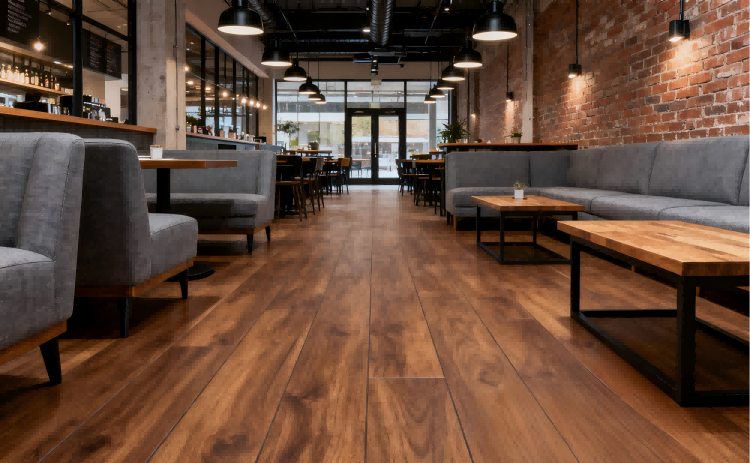
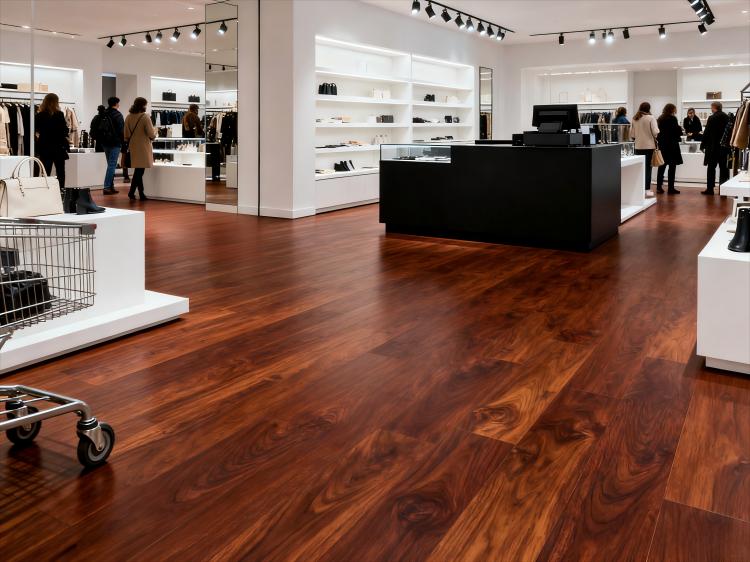
Premium laminate flooring is versatile and suitable for various settings, including retail spaces, offices, and healthcare facilities. Its click-lock installation system allows for floating floors that can be installed over existing subfloors, minimizing disruption. For optimal performance, B2B buyers should ensure proper acclimation of materials and subfloor preparation. Professional installation is recommended for large-scale projects to maximize the longevity of commercial-grade laminate flooring.
Frequently Asked Questions (FAQ)
1. What is the typical lifespan of premium laminate flooring?
The lifespan of premium laminate flooring depends on the AC rating and maintenance. For commercial applications with AC4 or AC5 ratings, expect 15–25 years of service with proper care. Regular cleaning and avoiding excessive moisture can extend durability.
2. How does premium laminate flooring compare to hardwood in terms of cost and maintenance?
Premium laminate flooring is generally 30–50% more cost-effective than hardwood, with lower installation and maintenance costs. It requires minimal upkeep—simple sweeping and occasional damp mopping—whereas hardwood may need refinishing over time.
3. Is premium laminate flooring environmentally friendly?
Yes, many eco-friendly laminate flooring options are available, featuring recycled content, low-VOC emissions, and sustainable sourcing. Look for certifications like FSC or GREENGUARD to verify environmental claims.
4. Can premium laminate flooring be used in high-moisture areas?
With advancements in technology, waterproof laminate flooring has become viable for areas with moderate moisture, such as kitchens. However, it is not recommended for full wet environments like bathrooms without additional sealing measures.
Conclusion
The premium laminate flooring market offers immense opportunities for B2B buyers seeking durable, aesthetic, and sustainable solutions. By staying informed about industry trends, technological innovations, and performance standards, you can make strategic purchasing decisions that enhance project outcomes and profitability. As demand continues to grow, partnering with reputable suppliers will be key to accessing high-quality products.