PVC Floor Leather: Market Trends, Benefits & B2B Guide
PVC Floor Leather: A Comprehensive Guide for B2B Buyers in the Global Market
In today's competitive flooring industry, PVC Floor Leather has emerged as a leading material choice for commercial and residential applications worldwide. Known for its durability, versatility, and cost-effectiveness, this product is revolutionizing how businesses approach interior design and infrastructure development. As international B2B buyers seek reliable and innovative solutions, understanding the nuances of PVC Floor Leather—from market dynamics to technical specifications—becomes crucial. This article provides an in-depth analysis of the industry, including current trends, data-driven insights, and practical guidance to help buyers make informed decisions. Whether you're sourcing for large-scale projects or exploring new product lines, this guide equips you with the knowledge to leverage the growing demand for PVC flooring solutions.
Industry Background
The evolution of PVC Floor Leather dates back to the mid-20th century, when polyvinyl chloride (PVC) began gaining traction as a synthetic alternative to traditional materials like wood and ceramic. Initially used for basic waterproofing, advancements in polymer technology have transformed PVC Floor Leather into a high-performance product. Today, it accounts for a significant share of the global flooring market, driven by its adaptability to various environments, from healthcare facilities to retail spaces. The industry's growth is closely tied to urbanization and industrialization, particularly in emerging economies where construction booms fuel demand. Moreover, the shift toward sustainable building practices has prompted manufacturers to innovate, making PVC Floor Leather a key player in the green construction movement.
Historical Development
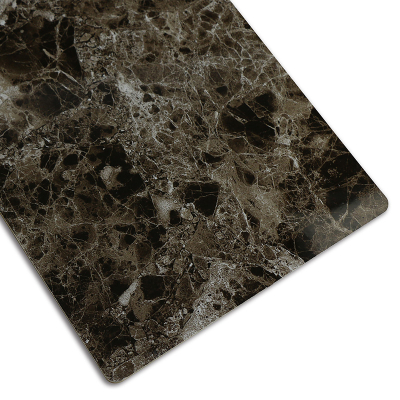
The journey of PVC Floor Leather began with simple, homogeneous sheets but has progressed to include multi-layered designs that enhance durability and aesthetics. In the 1970s, the introduction of plasticizers and stabilizers improved flexibility and fire resistance, paving the way for wider adoption. By the 2000s, digital printing technologies enabled custom patterns and textures, allowing PVC Floor Leather to mimic natural materials like stone or wood. This innovation not only expanded its applications but also positioned it as a premium option in the B2B flooring market.
Current Market Landscape
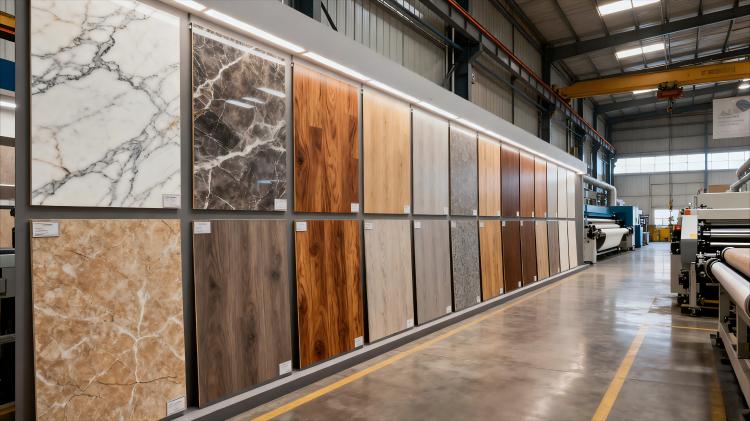
Currently, the PVC Floor Leather industry is characterized by intense competition and rapid technological advancements. Key players are investing in research and development to meet stringent environmental regulations, such as reducing volatile organic compound (VOC) emissions. According to industry reports, the global PVC flooring market is witnessing consolidation, with mergers and acquisitions shaping supply chains. For B2B buyers, this means access to a diverse range of products, but also the need to vet suppliers for quality and compliance.
Market Data and Growth Projections
The PVC Floor Leather market has demonstrated robust growth, with recent studies valuing the global sector at approximately $25 billion in 2023. Projections indicate a compound annual growth rate (CAGR) of 6.5% from 2024 to 2030, potentially reaching over $38 billion by the end of the decade. This expansion is fueled by several factors, including rising disposable incomes, increased construction activities in Asia-Pacific regions, and the material's affordability compared to alternatives like hardwood or laminate.
Regional Insights
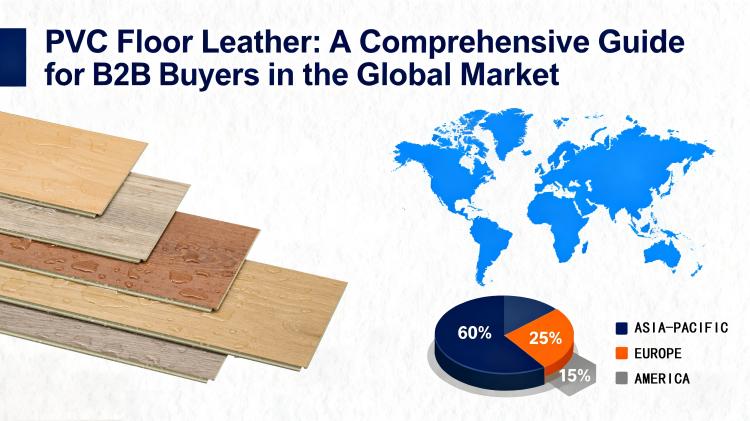
Asia-Pacific dominates the PVC Floor Leather market, accounting for nearly 50% of global demand, driven by rapid urbanization in countries like China and India. North America and Europe follow, with growth tied to renovation projects and the adoption of eco-friendly products. In these regions, regulations promoting sustainable building materials, such as the EU's Green Deal, are accelerating the shift toward low-emission PVC Floor Leather. For B2B buyers, these trends highlight opportunities in emerging markets while emphasizing the importance of sourcing from compliant manufacturers.
Key Drivers and Challenges
Primary drivers for the PVC Floor Leather market include its low maintenance costs, water resistance, and design flexibility. However, challenges persist, such as volatility in raw material prices and environmental concerns regarding PVC production. To address this, industry leaders are focusing on recycling initiatives and bio-based plasticizers, which enhance the sustainability of PVC flooring and appeal to environmentally conscious buyers.
Trend Analysis in the PVC Floor Leather Sector
Staying ahead of trends is essential for B2B buyers to capitalize on market opportunities. The PVC Floor Leather industry is evolving toward smarter, more sustainable solutions, influenced by consumer preferences and regulatory changes.
Sustainability and Eco-Innovations
One of the most significant trends is the push for circular economy models. Manufacturers are developing PVC Floor Leather with recycled content and reduced carbon footprints. For instance, closed-loop production processes minimize waste, while phthalate-free formulations meet health and safety standards. This aligns with global certifications like LEED and BREEAM, making sustainable PVC flooring a top choice for green building projects. B2B buyers can leverage this by partnering with suppliers who prioritize environmental transparency.
Technological Advancements
Digitalization is reshaping PVC Floor Leather production, with trends like 3D printing and IoT-enabled manufacturing enabling precision and customization. These technologies allow for bespoke designs, such as branded logos or intricate patterns, which are ideal for commercial spaces. Additionally, anti-microbial and anti-slip coatings are becoming standard, enhancing safety in high-traffic areas. As a result, PVC Floor Leather is increasingly used in sectors like healthcare and education, where hygiene and durability are paramount.
Design and Aesthetic Shifts
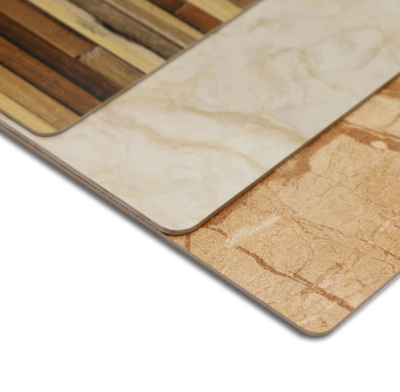
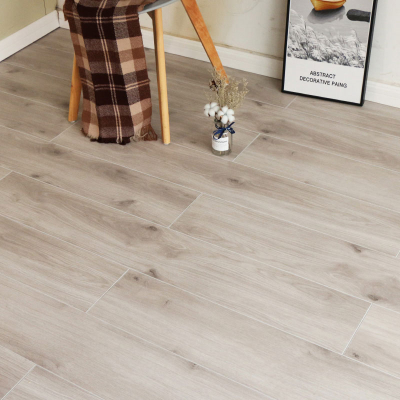
The demand for aesthetically pleasing yet functional flooring has led to innovations in texture and color. Wood-look and stone-look PVC Floor Leather are gaining popularity, offering the elegance of natural materials without the maintenance hassles. This trend caters to B2B buyers in hospitality and retail, who seek to create immersive customer experiences. Moreover, modular installation systems are simplifying deployment, reducing downtime for businesses.
Technical Overview of PVC Floor Leather
Understanding the technical aspects of PVC Floor Leather is crucial for B2B buyers to assess quality and suitability. This material consists of multiple layers, each serving a specific purpose to ensure performance and longevity.
Composition and Manufacturing Process
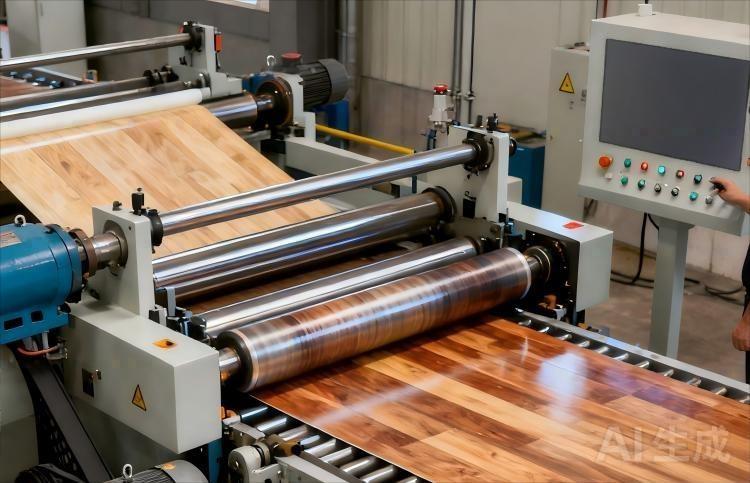
PVC Floor Leather is typically composed of a wear layer, print layer, core layer, and backing. The wear layer, made of polyurethane, provides scratch and stain resistance, while the print layer uses high-definition imaging to create designs. The core, often reinforced with fiberglass, adds stability and impact resistance. The manufacturing process involves extrusion and calendering, where raw PVC compounds are melted, shaped, and cooled under pressure. This ensures uniformity and strength, making PVC Floor Leather suitable for heavy-use environments. For B2B buyers, this translates to a product that withstands daily wear while maintaining its appearance.
Key Properties and Benefits
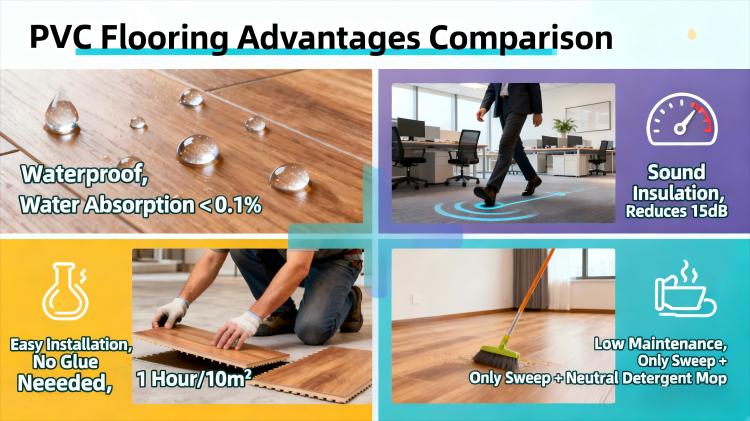
The advantages of PVC Floor Leather include its waterproof nature, which prevents damage from spills and moisture—a critical feature for kitchens or bathrooms. It also offers excellent acoustic insulation, reducing noise in office or residential settings. Furthermore, its flexibility allows for easy installation over uneven subfloors, saving time and labor costs. Compared to traditional materials, PVC Floor Leather requires minimal upkeep, often needing only regular sweeping and occasional mopping. These properties make it a cost-effective solution for B2B projects aiming for long-term value.
Application and Installation Guidelines
For B2B buyers, knowing how to apply PVC Floor Leather can streamline project planning. The installation process is straightforward but requires attention to detail to maximize performance.
Step-by-Step Installation
First, the subfloor must be clean, dry, and level to avoid imperfections. PVC Floor Leather can be installed using glue-down, loose-lay, or click-lock systems, depending on the product type. Glue-down methods are ideal for high-traffic areas, as they provide a permanent bond, while loose-lay options allow for easier replacements. After installation, seams are welded to create a seamless surface, enhancing hygiene and aesthetics. This process typically takes less time than traditional flooring, reducing disruption for businesses.
Maintenance and Care
Routine maintenance of PVC Floor Leather involves sweeping or vacuuming to remove debris, followed by damp mopping with pH-neutral cleaners. Avoid abrasive tools or harsh chemicals, as they can damage the wear layer. For commercial settings, periodic deep cleaning and reapplying protective coatings can extend the product's life. By following these steps, B2B buyers can ensure their investments remain in top condition, delivering value for years.
Frequently Asked Questions (FAQ)
1. What is PVC Floor Leather, and how does it differ from other flooring types?
PVC Floor Leather is a synthetic flooring material made from polyvinyl chloride, known for its durability, water resistance, and design versatility. Unlike hardwood or ceramic tile, it is more affordable, easier to install, and requires less maintenance. It also outperforms vinyl sheets in terms of thickness and longevity, making it a preferred choice for commercial applications.
2. Is PVC Floor Leather environmentally friendly?
Yes, modern PVC Floor Leather can be eco-friendly, especially products made with recycled materials and low-VOC emissions. Many manufacturers adhere to international sustainability standards, so B2B buyers should look for certifications like FloorScore or EPDs to ensure compliance with green building codes.
3. Can PVC Floor Leather be used in high-moisture areas like bathrooms or kitchens?
Absolutely. Its waterproof properties make PVC Floor Leather ideal for moisture-prone spaces. The material resists mold and mildew growth, provided it is installed correctly with sealed seams. This makes it a reliable option for healthcare, hospitality, and residential projects.
4. How long does PVC Floor Leather typically last, and what is the cost-benefit analysis?
With proper maintenance, PVC Floor Leather can last 10–20 years, depending on traffic levels. Its initial cost is lower than many alternatives, and reduced maintenance expenses contribute to a strong return on investment. B2B buyers can expect savings on installation and upkeep, making it a financially smart choice.
Conclusion
The PVC Floor Leather market is poised for continued growth, driven by innovation, sustainability, and evolving buyer needs. For international B2B buyers, this material offers a blend of practicality and aesthetics, supported by robust market data and technological advancements. By understanding industry trends, technical specifications, and application best practices, you can make strategic sourcing decisions that enhance project outcomes and profitability.
Professional Call to Action
Ready to elevate your flooring solutions with high-quality PVC Floor Leather? Contact a trusted supplier today to request samples, discuss custom options, or schedule a consultation. Partner with industry experts to leverage the latest innovations and secure competitive pricing for your next project. Don't miss out on the opportunity to transform spaces with durable, sustainable flooring—act now and stay ahead in the global market!