The Evolution of Laminate Flooring: Market Trends, Technology, and Opportunities for B2B Buyers
Laminate flooring has emerged as a dominant force in the global flooring industry, offering a blend of affordability, durability, and aesthetic appeal. As international B2B buyers seek reliable and innovative solutions, understanding the dynamics of the laminate flooring market becomes crucial. This article delves into the industry background, current market data, emerging trends, and technological advancements, providing a comprehensive overview for businesses looking to capitalize on this versatile product. With increasing demand for sustainable and high-performance flooring options, laminate flooring continues to evolve, making it an attractive investment for distributors, retailers, and contractors worldwide.
Industry Background
Historical Development and Growth
Laminate flooring was first introduced in Europe during the 1970s, with significant innovations in the 1980s leading to its global adoption. Initially developed as an affordable alternative to hardwood, laminate flooring quickly gained popularity due to its resistance to wear and tear, ease of installation, and cost-effectiveness. Over the decades, advancements in digital printing and manufacturing processes have enabled the production of laminate floors that closely mimic natural materials like wood and stone. Today, the industry is characterized by a competitive landscape, with key players focusing on research and development to meet evolving consumer preferences. This growth trajectory underscores the importance of laminate flooring in the broader construction and interior design sectors, particularly in residential and commercial applications.
Current Market Landscape
The global laminate flooring market has experienced steady expansion, driven by urbanization, rising disposable incomes, and a growing emphasis on home improvement projects. According to recent reports, the market was valued at approximately $30 billion in 2022 and is projected to grow at a compound annual growth rate (CAGR) of 5.5% through 2028. Key regions such as North America, Europe, and Asia-Pacific contribute significantly to this growth, with Asia-Pacific leading in production and consumption due to rapid industrialization and urbanization. B2B buyers should note that factors like raw material availability, regulatory standards, and environmental concerns play a pivotal role in shaping supply chains and pricing strategies. As a result, sourcing high-quality laminate flooring requires a deep understanding of regional market dynamics and supplier capabilities.
Market Data and Analysis
Global Market Insights
Recent market analyses highlight the robust demand for laminate flooring, with waterproof laminate flooring and eco-friendly options gaining traction. In 2023, Europe accounted for over 35% of the global market share, driven by stringent environmental regulations and a strong DIY culture. North America follows closely, with the United States witnessing a surge in demand for durable laminate floors in commercial spaces. Meanwhile, emerging economies in Asia, such as China and India, are becoming hotspots for manufacturing and export, offering competitive pricing for B2B buyers. Key statistics indicate that the residential segment dominates application areas, but commercial use—particularly in healthcare and education—is growing rapidly. This data underscores the need for buyers to align their procurement strategies with regional trends and consumer preferences.
Key Drivers and Challenges
The laminate flooring market is propelled by several factors, including technological innovations, increasing awareness of sustainable building materials, and the rise of e-commerce platforms facilitating B2B transactions. However, challenges such as volatility in raw material costs (e.g., high-density fiberboard and melamine resins) and competition from alternative flooring like luxury vinyl tile (LVT) require careful navigation. B2B buyers can leverage these insights to negotiate better terms and identify opportunities in niche segments, such as waterproof laminate flooring for humid climates or high-traffic areas. By staying informed about market fluctuations and consumer demands, businesses can optimize their inventory and marketing efforts to maximize returns.
Emerging Trends in Laminate Flooring
Sustainability and Eco-Friendly Innovations
One of the most significant trends in the laminate flooring industry is the shift toward sustainability. Manufacturers are increasingly adopting green practices, such as using recycled materials and reducing carbon footprints in production. For instance, many companies now offer eco-friendly laminate flooring certified by organizations like the Forest Stewardship Council (FSC) or FloorScore. This aligns with global regulations and consumer preferences for environmentally responsible products. B2B buyers should prioritize suppliers who demonstrate commitment to sustainability, as this not only enhances brand reputation but also meets the growing demand for green building solutions in markets like Europe and North America.
Technological Advancements and Design Trends
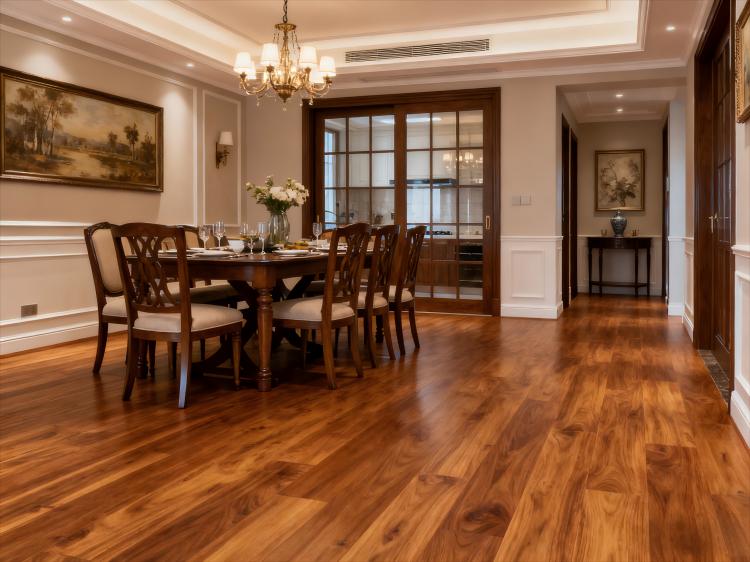
Technological innovations are revolutionizing laminate flooring, with improvements in digital imaging and wear layers creating highly realistic wood and stone textures. Recent developments include enhanced scratch and moisture resistance, making products like waterproof laminate flooring ideal for kitchens and bathrooms. Additionally, trends toward wider planks, textured surfaces, and customizable designs are gaining popularity, catering to diverse aesthetic preferences. The integration of smart technology, such as underfloor heating compatibility, further expands application possibilities. For B2B buyers, staying abreast of these trends is essential to offering cutting-edge products that meet the evolving needs of end-users in residential and commercial projects.
Technology and Manufacturing Process
Core Components and Production Techniques
Laminate flooring is typically composed of four layers: a wear layer, a decorative layer, a core layer, and a backing layer. The wear layer, made of aluminum oxide or melamine, provides durability and resistance to scratches and stains. The decorative layer features high-resolution images of wood or stone, achieved through advanced digital printing. The core layer, usually composed of high-density fiberboard (HDF), offers stability and moisture resistance, especially in waterproof laminate flooring variants. The backing layer acts as a moisture barrier and ensures dimensional stability. The manufacturing process involves pressing these layers together under high heat and pressure, followed by cutting and finishing. This efficient production method allows for scalability and cost-effectiveness, making laminate flooring a viable option for large-scale B2B orders.
Quality Assurance and Standards
To ensure product reliability, manufacturers adhere to international standards such as the European Norm (EN) 13329 and the North American Laminate Flooring Association (NALFA) certifications. These standards cover aspects like abrasion resistance, formaldehyde emissions, and dimensional stability. B2B buyers should verify that their suppliers comply with these regulations to guarantee safety and performance. Additionally, innovations in testing methods, such as accelerated wear simulations, help maintain high quality across batches. By understanding these technical aspects, buyers can make informed decisions and build long-term partnerships with reputable manufacturers.
Application and Installation Guidelines
Best Practices for Commercial and Residential Use
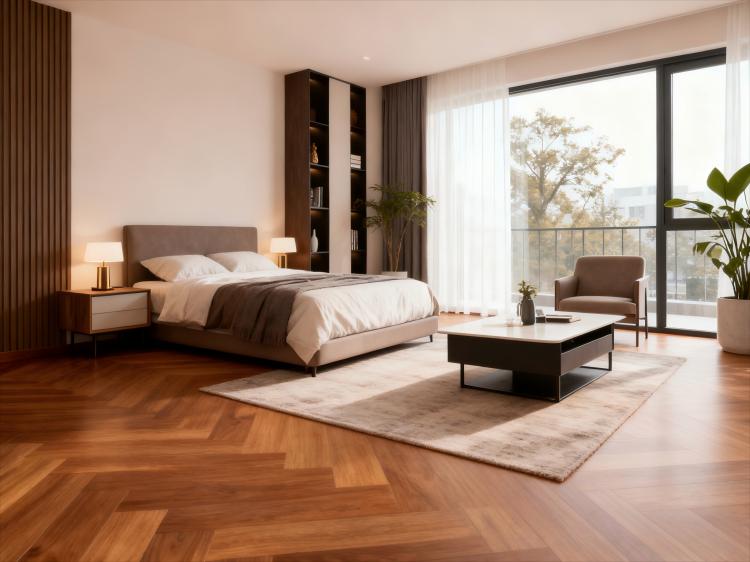
Laminate flooring is renowned for its ease of installation, which often involves click-lock or glue-down systems suitable for various subfloors. In residential settings, it is commonly used in living rooms and bedrooms, while commercial applications include offices and retail spaces due to its durability. For optimal performance, installers should follow guidelines such as acclimating the planks to room temperature, using underlayment for moisture protection, and ensuring proper expansion gaps. Products like waterproof laminate flooring are particularly advantageous in areas prone to spills or humidity. B2B buyers can enhance customer satisfaction by providing installation support and educational resources, thereby positioning themselves as trusted partners in the supply chain.
Maintenance and Longevity
With proper care, laminate flooring can last 15–25 years, depending on traffic and maintenance routines. Regular sweeping and occasional damp mopping with manufacturer-recommended cleaners suffice for upkeep. The wear layer’s resilience makes it resistant to fading and stains, contributing to its low life-cycle cost. For B2B buyers, emphasizing these benefits in marketing materials can attract clients seeking affordable and low-maintenance flooring solutions.
Frequently Asked Questions (FAQ)
1. What are the main advantages of laminate flooring compared to hardwood or vinyl?
Laminate flooring offers a cost-effective alternative with high durability, ease of installation, and a wide range of designs. It is more resistant to scratches and moisture than traditional hardwood, and often more affordable than luxury vinyl tile (LVT), making it ideal for budget-conscious projects without compromising on aesthetics.
2. How does waterproof laminate flooring differ from standard options?
Waterproof laminate flooring features enhanced core materials, such as thermoplastic composites, that prevent water penetration, whereas standard laminate may only have moisture-resistant coatings. This makes waterproof variants suitable for areas like bathrooms and basements, where exposure to humidity is common.
3. What should B2B buyers look for when sourcing laminate flooring from international suppliers?
Buyers should verify certifications (e.g., ISO, NALFA), assess production capabilities, and request samples for quality testing. Additionally, consider factors like lead times, shipping costs, and the supplier’s experience in exporting to your target markets to ensure a smooth supply chain.
4. Are there eco-friendly options available in laminate flooring?
Yes, many manufacturers now produce eco-friendly laminate flooring using recycled materials and low-VOC (volatile organic compound) adhesives. Look for certifications like GREENGUARD or FSC to ensure environmental compliance, which can appeal to sustainability-focused clients.
Conclusion
The laminate flooring industry presents abundant opportunities for B2B buyers, driven by innovation, sustainability, and robust market growth. By leveraging insights from market data, trends, and technological advancements, businesses can make strategic decisions to enhance their product offerings and meet global demand. As the sector continues to evolve, partnering with reliable suppliers and staying informed will be key to success.
Ready to elevate your flooring portfolio? Contact us today to explore our premium range of laminate flooring solutions, including waterproof and eco-friendly options tailored to your market needs. Let’s build a profitable partnership together!
Meta Title
Laminate Flooring Trends | B2B Market Insights & Solutions
Meta Description
Explore the latest in laminate flooring: market data, waterproof options, and tech trends for B2B buyers. Discover opportunities and FAQs to optimize your sourcing strategy.