A Comprehensive Guide to SPC Wood Flooring for Global B2B Buyers
The Resilient Future of Flooring: A Comprehensive Guide to SPC Wood Flooring for Global B2B Buyers
The global demand for high-performance, aesthetically pleasing, and sustainable flooring solutions is at an all-time high. In this competitive landscape, SPC wood flooring has emerged as a dominant force, revolutionizing the commercial and residential sectors. For international B2B buyers, distributors, and project specifiers, understanding this product’s nuances is key to capitalizing on a growing market. This article provides an in-depth analysis of the SPC flooring market, its technological advantages, current trends, and essential considerations for procurement.
1. Industry Background and Market Outlook for SPC Flooring
The flooring industry has undergone a significant transformation with the advent of rigid core vinyl products. Among these, Stone Plastic Composite (SPC) flooring, also known as rigid core vinyl flooring, represents the pinnacle of innovation. Originally developed to offer superior dimensional stability compared to its predecessor, WPC (Wood Plastic Composite), SPC’s market share has skyrocketed. Driven by the global renovation wave, rapid urbanization in emerging economies, and a shift towards low-maintenance materials, the SPC vinyl flooring market is projected to continue its robust growth throughout 2025 and beyond.
Recent market analyses indicate that the global luxury vinyl tile (LVT) and plank market, where SPC is a leading category, is experiencing a sustained compound annual growth rate (CAGR). This growth is fueled by its unparalleled performance in high-traffic commercial applications such as retail spaces, offices, and healthcare facilities, as well as its popularity in residential multi-family housing, a trend expected to strengthen in 2025.
2. What is SPC Wood Flooring? A Technical Breakdown
Understanding the construction of SPC flooring boards is crucial for appreciating their benefits. SPC is a type of rigid core luxury vinyl plank known for its dense, durable core.
2.1 The Multi-Layer Construction
A typical SPC vinyl plank consists of four distinct, fused layers:
Wear Layer: A transparent urethane coating that provides resistance to scratches, stains, and scuffs. The thickness (measured in mils) directly correlates with commercial durability.
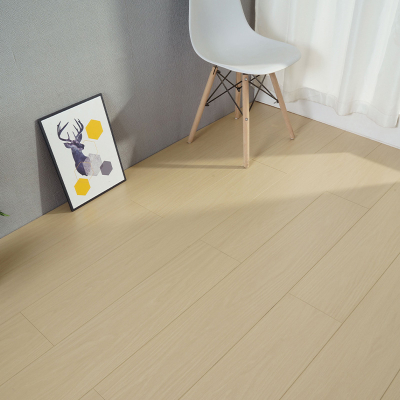
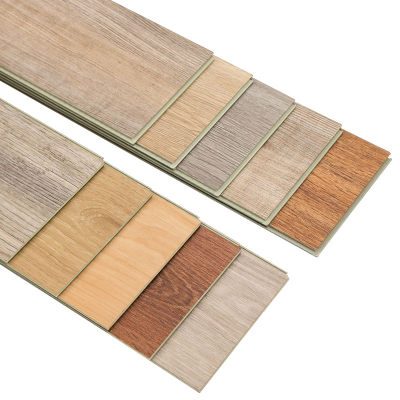
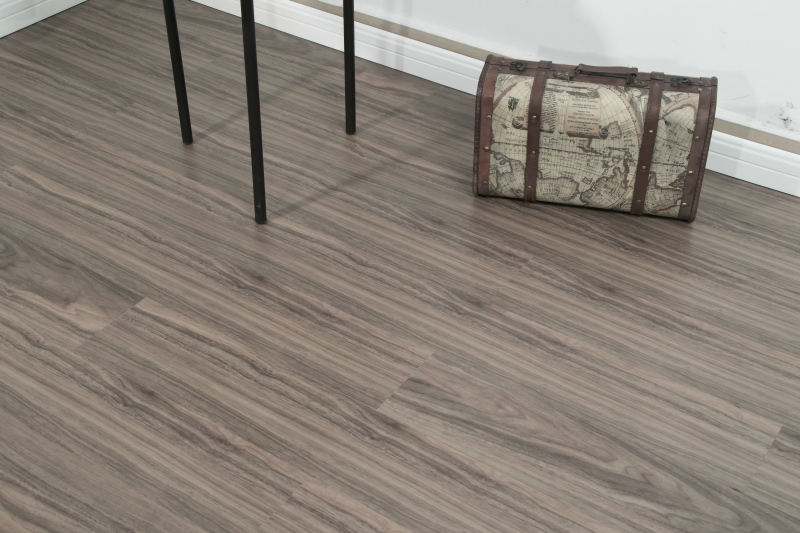
Decorative Layer: A high-resolution photographic film that replicates the authentic look of wood grain flooring, stone, or ceramic. Advanced printing allows for incredibly realistic textures and varied designs.
Core Layer: The heart of the product. The SPC core is a dense composite made primarily of limestone powder (calcium carbonate), polyvinyl chloride (PVC), and stabilizers. This creates an extremely hard, stable, and waterproof base.
Underlayment/Backing Layer: Often an attached foam pad that provides underfoot comfort, sound absorption, and minor subfloor imperfection forgiveness.
2.2 The Manufacturing Process
The manufacturing process of SPC flooring is a precision-driven operation. Raw materials are weighed, mixed, and calendared into a consistent compound. This compound is then extruded and pressed under high heat and pressure to form the rigid core. The decorative and wear layers are subsequently applied through a hot-press lamination process. Finally, the planks are cut, embossed to synchronize texture with the print (a feature known as embossed-in-register), and meticulously inspected. This process ensures the production of waterproof rigid core flooring with consistent quality.
3. Key Market Trends and Buyer Preferences in 2025
Staying ahead requires insight into evolving buyer demands. Current trends shaping the SPC wood flooring market as we move through 2025 include:
Hyper-Realistic Aesthetics: Buyers seek planks with deep, authentic wood grain flooring visuals, including sophisticated hand-scraped, wire-brushed, and distressed textures. Long, wide planks remain popular for a seamless, modern look.
Enhanced Performance Features: There is growing demand for scratch-resistant SPC flooring with reinforced wear layers and UV-protected SPC flooring to prevent fading in sun-drenched areas.
Sustainability and Circular Economy Focus: Eco-conscious sourcing is paramount. Beyond low VOC certifications (like GreenGuard Gold), buyers in 2025 are increasingly inquiring about recycled content in the core and the recyclability of the product at end-of-life.
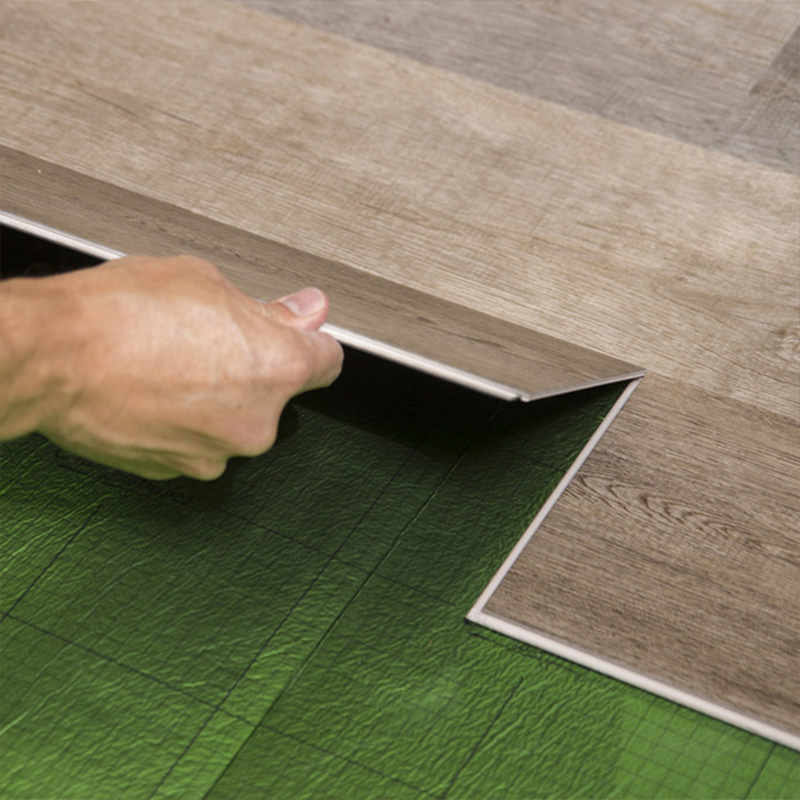
Advanced Click-Lock Systems: The evolution of user-friendly, click-lock installation systems for SPC continues, with newer designs allowing for even tighter seams and easier angling, facilitating faster, glue-free floating floor installations and reducing labor costs.
4. SPC vs. Traditional Flooring: A Comparative Advantage
For B2B buyers, justifying product selection is key. SPC wood flooring offers compelling advantages:
Vs. Solid Wood/Hardwood: SPC is 100% waterproof, more dimensionally stable in humid or wet environments, requires zero refinishing, and is generally more cost-effective for large-scale projects.
Vs. Laminate: While laminate has a wood-based core (HDF) that can swell with moisture, the SPC core is completely impervious to water, making it ideal for basements, kitchens, and bathrooms.
Vs. Sheet Vinyl or LVT: The rigid SPC core provides a more solid underfoot feel, superior impact resistance, and better compatibility with uneven subfloors.
5. FAQ: Answering Common Buyer Questions
Q1: Is SPC flooring truly suitable for commercial high-traffic areas?
A: Absolutely. Commercial-grade SPC flooring boards are manufactured with a thicker wear layer (typically 20 mils and above) to withstand heavy foot traffic, rolling chairs, and other stresses. Always specify the required wear layer thickness based on the project’s traffic class (e.g., AC4/AC5 ratings).
Q2: How does the installation process work for SPC, and what are the subfloor requirements?
A: Most SPC vinyl plank utilizes a click-lock installation system for a floating floor. It can be installed over most clean, flat, and dry subfloors (concrete, plywood, existing vinyl). Subfloor moisture testing is still recommended, and minor imperfections should be addressed, although SPC’s rigidity offers good tolerance.
Q3: Can SPC flooring be used with underfloor heating (UFH)?
A: Yes, most SPC wood flooring products are compatible with water-based and electric radiant heating systems. It is an excellent conductor of heat due to its stone-based core. However, it is critical to follow the manufacturer’s specific guidelines regarding maximum temperature limits to avoid damage.
Q4: What certifications should I look for when sourcing SPC flooring in 2025?
A: Key certifications ensure quality and safety. Look for ISO 9001 (quality management), relevant regional compliance marks, and crucially, indoor air quality certifications like GreenGuard Gold or FloorScore. For projects with strong sustainability goals, also inquire about certifications related to recycled content.
6. Conclusion and Professional Call to Action
SPC wood flooring stands as a testament to innovation in the building materials sector, offering an unmatched blend of durability, aesthetic appeal, and practical installation. For the discerning B2B buyer, it represents a low-risk, high-reward product category with strong end-user demand, poised for continued relevance in 2025.
To make an informed procurement decision, due diligence is essential. We recommend partnering with manufacturers who provide comprehensive technical data sheets, full certifications, and consistent quality control.
Ready to elevate your inventory with premium, market-ready flooring solutions?
Contact our expert sales team today to request free, fully certified SPC flooring samples and a detailed wholesale catalog for 2025. Discuss your project volume and receive a competitive quotation tailored to your specific market needs. Let us help you secure a reliable supply of high-performance SPC wood flooring and build your competitive edge.