Premium Solid Wood Floors for B2B Buyers | Trends & Sourcing
Solid Wood Floors: The Enduring Choice for Premium Projects
In the world of high-end interior design and construction, solid wood floors represent the pinnacle of quality, durability, and timeless appeal. Unlike engineered alternatives or synthetic materials, genuine solid hardwood flooring offers unmatched longevity, character, and value. This article provides international B2B buyers—including developers, architects, flooring contractors, and distributors—with a comprehensive analysis of the solid wood flooring market, current trends, technical specifications, and key sourcing considerations.
Global Market Overview: Stability and Growth
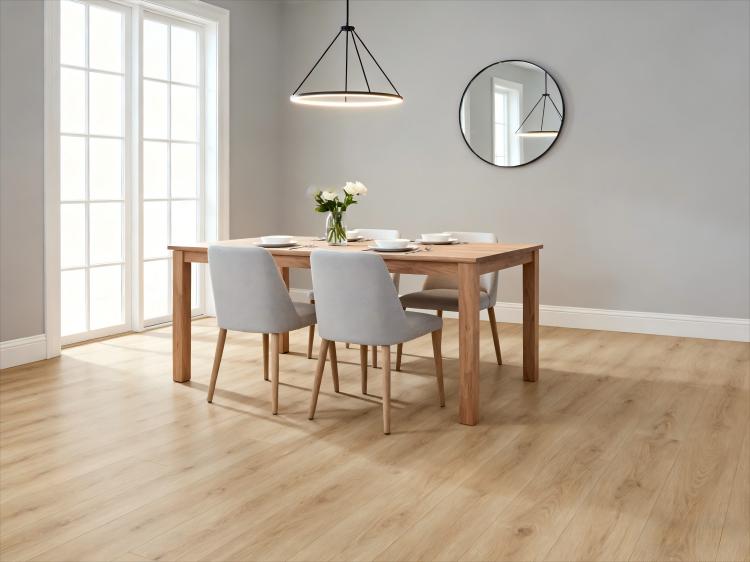
The global market for solid wood flooring remains robust, driven by sustained demand in the luxury residential, hospitality, and commercial renovation sectors. According to industry analyses, the market is projected to see steady growth, with particular strength in North America, Europe, and emerging affluent markets in Asia-Pacific. This growth is fueled not by short-term fads, but by a lasting recognition of the intrinsic value solid hardwood floors add to a property: enhanced aesthetic appeal, increased real estate value, and a superior lifecycle cost due to their unique refinishing capability.
For the B2B buyer, investing in premium solid wood flooring is a strategic decision that communicates quality and permanence to the end client.
Technical Specifications and Manufacturing Excellence
True solid wood flooring is a product of precise engineering and traditional craftsmanship. Understanding its composition and manufacture is key to evaluating quality.
Core Material: The Hardwood Species
The choice of wood species defines the floor's performance, appearance, and price point.
Oak (White & Red): The industry standard for solid wood floors. Renowned for its hardness, pronounced grain, and excellent stainability. Ideal for high-traffic areas.
Maple: Known for its smooth, consistent grain and extreme durability. A lighter-colored option popular in modern and commercial settings.
Walnut: Offers a rich, dark chocolate hue and a luxurious, straight grain. Softer than oak but prized for its sophisticated aesthetic.
Exotic Species (e.g., Brazilian Cherry, Tigerwood): Provide unique colors, extreme hardness, and distinctive grain patterns for statement projects.
The Manufacturing Journey: From Log to Finished Floor
Quality is built into every step:
Sustainable Sourcing & Milling: Logs are quarter-sawn or plain-sawn to optimize yield and reveal specific grain patterns (e.g., quarter-sawn oak's characteristic "ray flecks").
Kiln-Drying: The most critical process. Carefully controlled drying reduces the wood's moisture content to between 6% and 9%, stabilizing it to prevent future warping, gapping, or cupping. This makes solid hardwood flooring suitable for nail-down installation over wood subfloors.
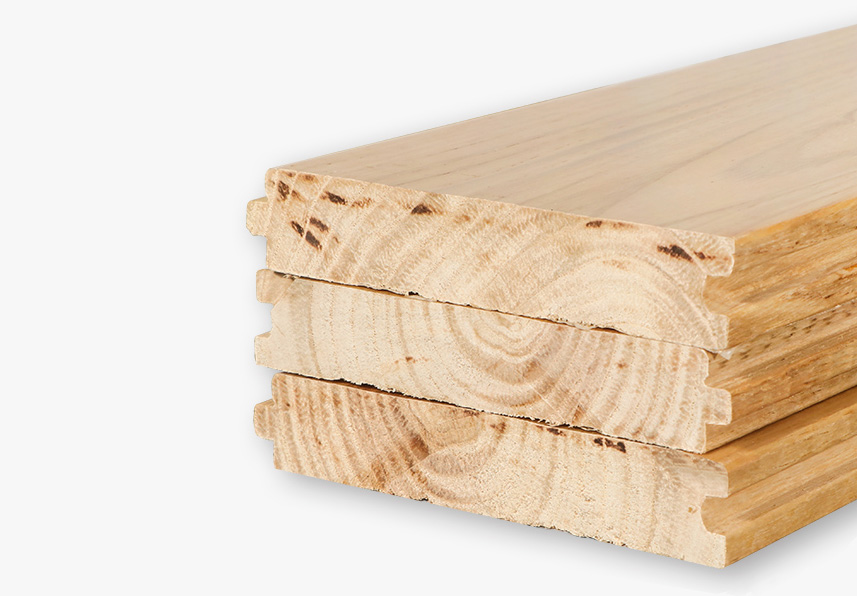
Precision Milling: The dried lumber is milled into precise tongue-and-groove profiles, ensuring a tight, seamless fit during installation.
Grading & Finishing: Planks are graded based on color consistency and character marks (knots, mineral streaks). They then receive a surface finish—either at the factory (prefinished solid wood floors) or on-site after installation (site-finished). Factory-applied UV-cured aluminum oxide finishes offer superior scratch and wear resistance.
Key Trends Shaping the B2B Solid Wood Flooring Market
Wider and Longer Planks: Demand is shifting towards planks 5" to 10" wide and lengths over 7 feet. This trend minimizes visual seams, creates a more expansive feel, and aligns with contemporary architectural styles.
Matte and Oil Finishes: High-gloss finishes are declining in favor of matte, satin, and hardwax oil finishes. These provide a more natural, tactile look, better conceal minor scuffs, and are easier to maintain.
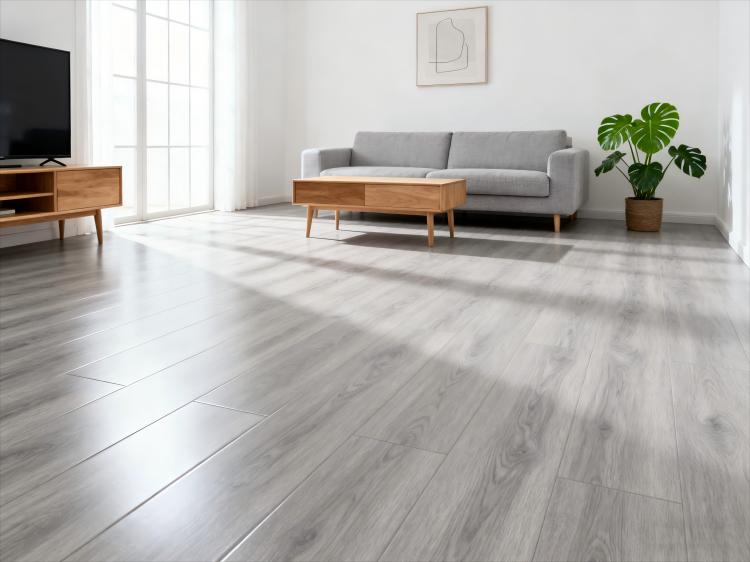
Grey and Weathered Tones: While natural honey tones remain classic, brushed, wire-brushed, and fumed finishes that produce grey, charcoal, and weathered effects are highly popular for creating a relaxed, elegant ambiance.
Sustainability as a Standard: B2B buyers increasingly require proof of responsible sourcing. FSC or PEFC-certified solid wood floors are no longer a niche request but a baseline requirement for many commercial tenders and green building projects (LEED, BREEAM).
Application and Installation Considerations for Professionals
While solid wood flooring is renowned for its durability, proper installation is non-negotiable. It is primarily recommended for above-grade and on-grade installations over wood subfloors. Key steps include:
Acclimatization: The flooring must acclimate to the installation site's temperature and humidity for at least 72 hours.
Subfloor Preparation: The subfloor must be clean, level, dry, and structurally sound.
Installation Method: Typically nailed or stapled down to a wooden subfloor. It is generally not recommended for below-grade concrete slabs due to higher moisture exposure, where engineered wood flooring is a more stable alternative.
Climate Control: Maintaining consistent indoor humidity (30-50%) year-round is essential to preserve the integrity of solid hardwood floors.
FAQ: Answering Common Buyer Questions
Q1: What is the main difference between solid wood flooring and engineered wood flooring?
A: Solid wood flooring is milled from a single piece of timber and can be sanded and refinished many times over its lifetime. Engineered wood flooring consists of a real wood veneer atop a multi-layer plywood core. It offers greater dimensional stability, making it suitable for more environments (like over concrete), but has a limited number of refinishing cycles dictated by the veneer thickness.
Q2: How durable are solid wood floors for commercial high-traffic areas?
A: Extremely durable when the correct species and finish are selected. For commercial projects, choose high-Janka hardness species like White Oak or Maple, combined with a commercial-grade factory finish (e.g., 7+ coats of UV-cured aluminum oxide). Proper maintenance with recommended cleaners will ensure decades of service.
Q3: Are solid wood floors a sustainable choice?
A: Yes, when sourced responsibly. Wood is a renewable resource. Look for suppliers who provide FSC-certified solid hardwood flooring, ensuring the wood comes from forests managed for biodiversity, productivity, and ecological balance. The long lifespan and recyclability of wood further enhance its sustainability profile.
Q4: Can solid wood floors be used with underfloor heating systems?
A: This requires careful planning. Many modern solid wood floors can be used with low-temperature water-based (hydronic) underfloor heating systems, provided they are properly installed and operated. Key factors include using stable wood species, ensuring a low and consistent moisture content, and following strict installation and heating ramp-up protocols. Always consult the flooring manufacturer's specifications.
Conclusion & Professional Call to Action
Solid wood floors are more than a surface; they are a long-term investment that defines the character and quality of a space. Their enduring popularity is a testament to their unmatched ability to blend natural beauty with functional resilience.
As a discerning B2B buyer, partnering with a knowledgeable and reliable supplier is critical. You need a partner who guarantees not only the finest prefinished solid hardwood flooring but also provides comprehensive technical data, reliable logistics, and steadfast after-sales support.
Ready to specify or source the finest solid wood flooring for your next project?
Contact our specialist team today to request a full product catalog, species samples, and detailed technical specifications tailored to the commercial and luxury residential markets. Let us help you deliver floors that inspire and endure.