Laminate Floorboards: High-Performance Solutions for B2B Projects
The Resilient Choice: A B2B Guide to the Expanding Kitchen Vinyl Flooring Market
The global demand for high-performance, aesthetically versatile flooring solutions is on a steadfast rise, with the kitchen segment representing a particularly dynamic sector. Within this space, kitchen vinyl flooring has emerged as a dominant force, captivating architects, contractors, developers, and retailers alike. Its evolution from basic sheeting to sophisticated, durable products like Luxury Vinyl Tile (LVT) and Stone Plastic Composite (SPC) has redefined expectations for residential and commercial kitchens. For B2B buyers, understanding this market's nuances—from technological advancements to shifting design trends—is crucial for making informed sourcing decisions and capitalizing on growing demand. This article provides a comprehensive overview of the vinyl flooring for kitchens landscape, analyzing its drivers, innovations, and key purchasing considerations.
Market Dynamics and Growth Drivers
The kitchen vinyl flooring market is propelled by a confluence of practical and economic factors. The global shift towards renovation and remodeling, especially in key regions like North America and Europe, has created sustained demand. Buyers seek solutions that balance cost, performance, and style without compromise.
Core growth drivers include:
Durability and Performance: Modern kitchen vinyl plank flooring is engineered to withstand heavy foot traffic, spills, and impact, far outperforming many traditional materials.
Cost-Effectiveness: It offers a compelling value proposition, providing the look of hardwood, stone, or ceramic at a fraction of the material and installation cost.
Ease of Installation and Maintenance: The prevalence of click-lock systems enables faster, often glue-free installation, reducing labor costs. Its non-porous surface is easy to clean, a critical factor for waterproof vinyl flooring for kitchens.
Rental and Commercial Appeal: In multi-family housing and hospitality, commercial grade kitchen vinyl flooring is prized for its longevity and low lifecycle cost.
Key Trends Shaping Product Development
Manufacturers are continuously innovating to meet evolving buyer expectations. Current trends influencing product lines include:
The Rise of Rigid Core Vinyl Flooring
Products like SPC and WPC (Wood Plastic Composite) represent the premium tier. Their rigid, dimensionally stable core provides exceptional resistance to indentation and subfloor imperfections, making SPC vinyl flooring for kitchens ideal for demanding environments. The waterproof kitchen flooring claim is inherent here, as the core is impervious to moisture.
Hyper-Realistic Designs and Textures
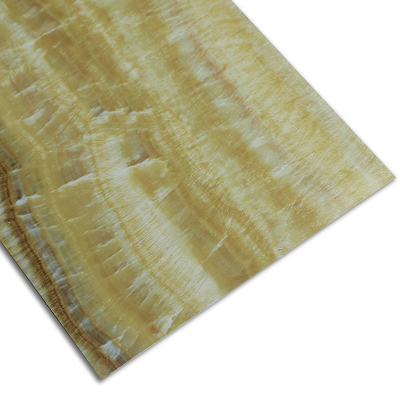
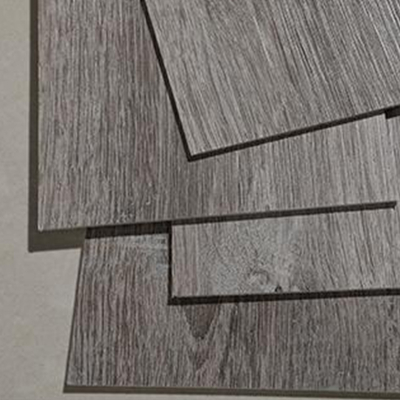
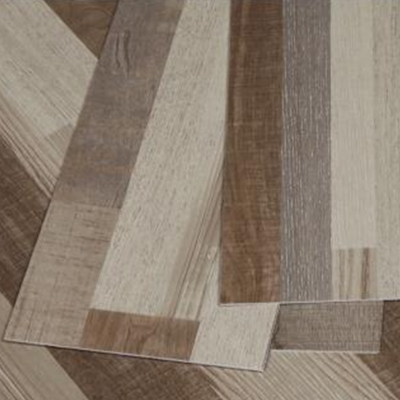
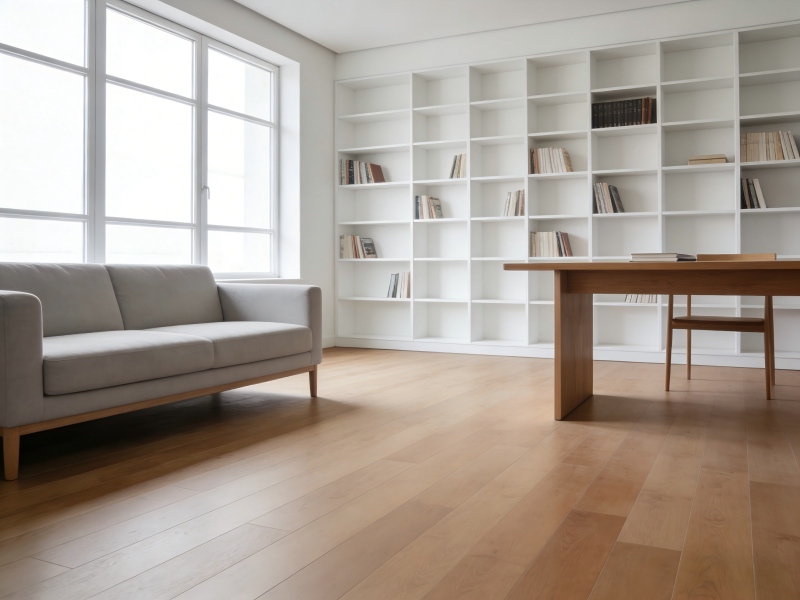
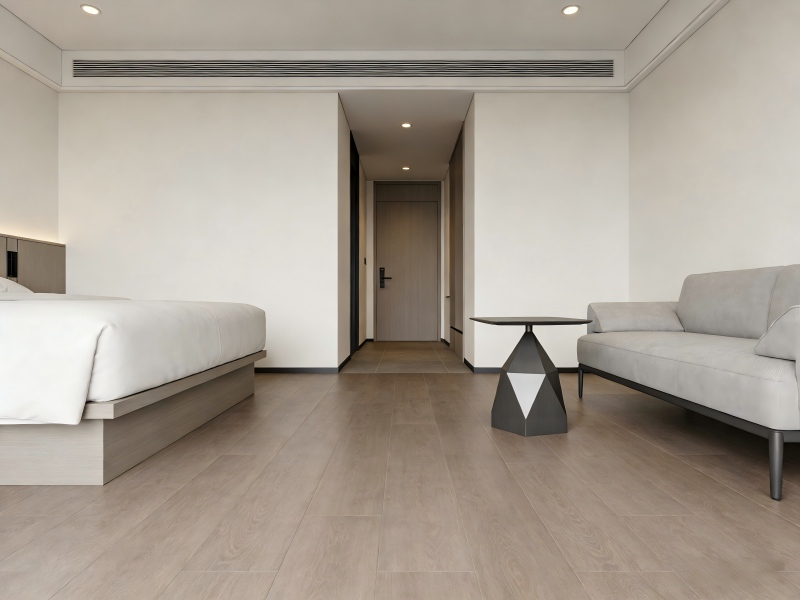
Advanced digital printing and embossing technologies allow for stunning replications of natural materials. High-definition textures that mimic hand-scraped wood grain, natural stone fissures, or concrete wear are now standard. This aesthetic versatility allows B2B buyers to offer clients a wide range of styles, from rustic to ultra-modern.
Sustainability as a Standard
The international B2B buyer increasingly prioritizes sustainable sourcing. Leading manufacturers now produce floors with high recycled content, phthalate-free materials, and certifications like FloorScore or GREENGUARD for indoor air quality. Additionally, many products are fully recyclable at dedicated facilities.
Technological Breakdown: What Makes Modern Vinyl Flooring Tick?
Understanding the layered construction of premium kitchen vinyl flooring is key to assessing quality.
Wear Layer: A clear, durable polyurethane coating that determines scratch and stain resistance. Thickness, measured in mils, is a primary indicator of grade—higher mils for commercial use.
Printed Design Layer: A high-resolution photorealistic film that provides the floor's visual appeal, whether it be oak, marble, or geometric patterns.
Core Layer: This is the differentiating factor. For rigid core vinyl flooring, it's a dense, waterproof composite of limestone and stabilizers (SPC) or a wood-plastic blend (WPC). Flexible vinyl products have a simpler PVC core.
Backing Layer: Provides stability, sound dampening, and sometimes an attached underlayment for comfort and subfloor noise reduction.
Manufacturing Insight: The process typically involves calendaring the core material, fusing the design layer, applying the wear layer via precise coating machinery, and then using hydraulic presses to create the embossed texture. Rigid core planks are then precisely cut and milled with click-lock profiles using computer-controlled equipment to ensure perfect seam integrity.
FAQ: Answering Common B2B Buyer Questions
Q1: What is the difference between LVT and SPC for kitchen applications?
LVT (Luxury Vinyl Tile) is a broad category that includes both flexible and rigid products. SPC (Stone Plastic Composite) is a subset of rigid core LVT known for its extremely dense, mineral-based core. For kitchens with heavy appliances or potential subfloor moisture, SPC vinyl flooring is often recommended due to its superior dimensional stability and indentation resistance.
Q2: How truly waterproof is "waterproof" vinyl flooring?
High-quality waterproof vinyl flooring for kitchens features a fully impermeable core (like SPC/WPC) and tightly sealed seams when properly installed. This means spills will not penetrate the plank itself, protecting the subfloor. However, proper installation to prevent water from seeping under the flooring at the edges is still crucial for a complete moisture barrier.
Q3: What specifications should I look for in commercial-grade kitchen vinyl?
Focus on a high-wear layer (typically 20 mils or more for heavy commercial), a thick, rigid core, a high Abrasion Class (AC) rating (AC4/AC5 for commercial use), and relevant certifications for slip resistance (R ratings) and indoor air quality. The availability of broadloom rolls for seamless installation in large areas is also a key commercial feature.
Q4: Can this flooring be installed over existing kitchen floors?
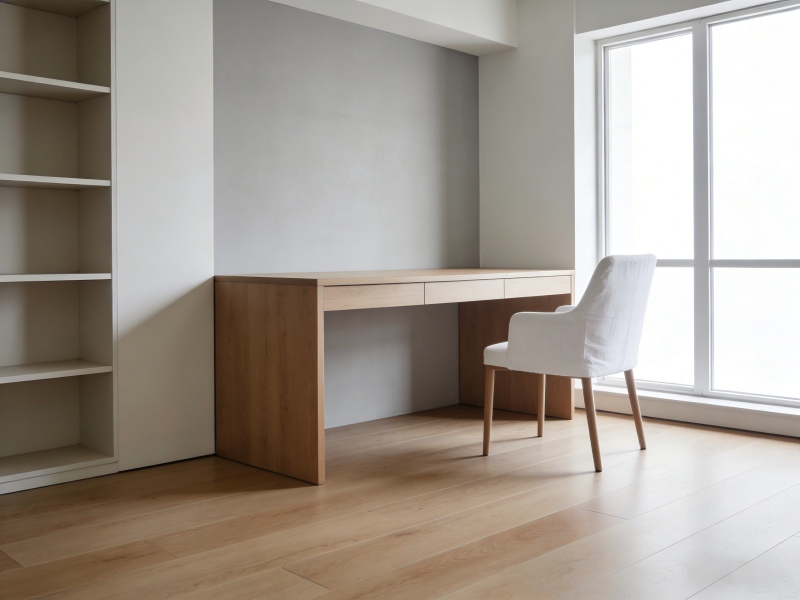
One of the major advantages of vinyl plank flooring for kitchen is its suitability for retrofits. Most rigid core products can be installed as a "floating floor" over existing, smooth, and level substrates like old vinyl, tile, or concrete, saving on demolition costs. Always check the manufacturer's installation guidelines for specific requirements.
Conclusion and Call to Action
The market for kitchen vinyl flooring is defined by innovation, resilience, and responsive design. For B2B buyers—whether importers, distributors, or large contractors—partnering with a manufacturer that combines advanced production technology, rigorous quality control, and a deep understanding of these trends is essential.
Ready to upgrade your product portfolio with high-demand, performance-driven kitchen flooring solutions? Request samples and detailed product data sheets today to evaluate the quality and appeal of the latest durable vinyl flooring for kitchens for your market.