Explore the booming SPC flooring market.
SPC Flooring: Revolutionizing the Global Market for Durable and Stylish Surfaces
The international flooring industry is undergoing a transformative shift, driven by evolving demands for durability, aesthetics, and sustainable practices. In this dynamic landscape, Stone Plastic Composite (SPC) flooring has rapidly ascended as the material of choice for both residential and commercial projects worldwide. For B2B buyers—including importers, wholesalers, project developers, and contracting firms—a deep understanding of the SPC rigid core flooring market is no longer optional; it’s a strategic necessity. This comprehensive guide provides an expert analysis of the industry's growth drivers, technical specifications, key trends, and essential sourcing knowledge.
Market Overview and Growth Trajectory
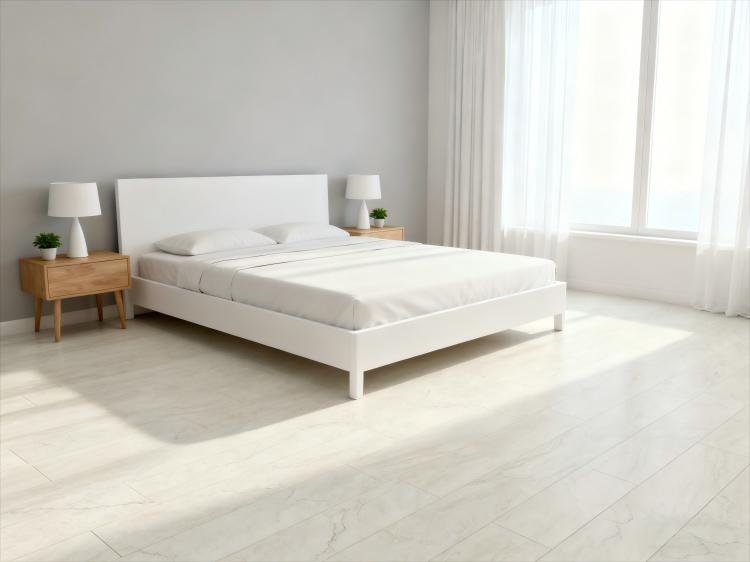
The global SPC flooring market is experiencing unprecedented expansion. Recent analyses project the market to surpass USD 25 billion by 2030, growing at a compelling CAGR of over 11%. This surge is fueled by a powerful convergence of performance, practicality, and design.
The primary catalyst is the unmatched performance of waterproof rigid core flooring. Unlike traditional materials, SPC floors offer 100% waterproofing, exceptional dimensional stability, and superior resistance to scratches, dents, and stains. This makes durable SPC vinyl plank ideal for high-moisture areas, high-traffic commercial spaces, and bustling households. Secondly, the easy click-lock installation system significantly reduces labor time and costs. The rigid core allows installation over various subfloors with minimal preparation, a critical advantage for large-scale projects.
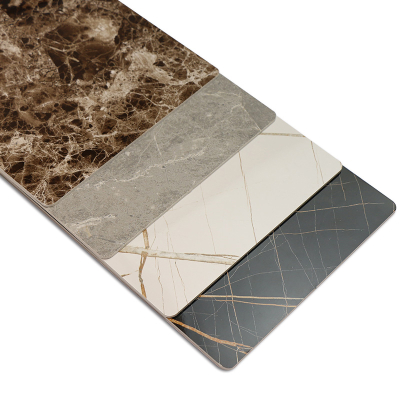
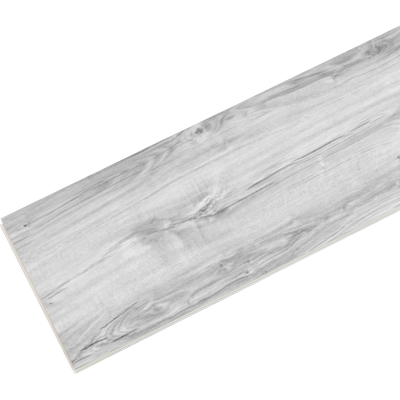
Furthermore, advanced digital printing enables stunningly realistic replications of wood, stone, and ceramic aesthetics. Coupled with the rising demand for low-VOC and Greenguard certified flooring that ensures healthier indoor air quality, SPC presents a future-proof value proposition for eco-conscious markets.
Technical Deep Dive: Anatomy and Manufacturing
To appreciate its advantages, one must understand the sophisticated, multi-layer construction of high-quality SPC flooring.
The Multi-Layer Structure (H3)
A premium SPC vinyl plank is engineered from the bottom up:
Backing Layer: An attached IXPE or cork underlayment providing sound absorption, underfoot comfort, and an additional moisture barrier.
Rigid Core Layer: The defining component. It’s a dense composite of limestone powder (over 60%), polyvinyl chloride (PVC), and stabilizers. This SPC core provides unparalleled structural integrity, preventing expansion and contraction.
Decorative Film: A high-definition printed layer that delivers the authentic visual appeal of natural materials.
Wear Layer: A transparent, reinforced polyurethane coating (often with aluminum oxide). Its thickness (e.g., 12 mil, 20 mil, 30+ mil) determines the product's abrasion rating (AC3-AC6) and suitability for residential or heavy-duty commercial SPC flooring applications.
A Glimpse into the Manufacturing Process (H3)
The SPC flooring manufacturing process begins with precise formulation and dry-blending of raw materials. This mix is then calendared and pressed under high heat and pressure to form the solid core board. Through a continuous hot-press lamination line, the decorative layer and robust wear layer are permanently fused onto the core. Finally, planks are precision-cut with a precise click-lock system for easy DIY or professional installation, and the backing is applied. Rigorous quality control ensures consistency in locking mechanics, dimensions, and finish.
Key Trends Shaping the 2024 SPC Landscape
Staying competitive requires foresight. Here are the dominant trends influencing the SPC flooring industry:
Sustainability as a Core Criterion: B2B buyers increasingly mandate eco-friendly and recyclable flooring. Leading manufacturers are responding by incorporating post-industrial recycled content, optimizing resource use, and securing comprehensive environmental certifications (EPDs, FloorScore).
Large-Format Planks and Tiles: Demand is soaring for extra-long and wide planks (e.g., 9" x 60" or larger) and big tiles. These formats minimize seams, creating a sleek, modern aesthetic favored in commercial design and luxury residences.
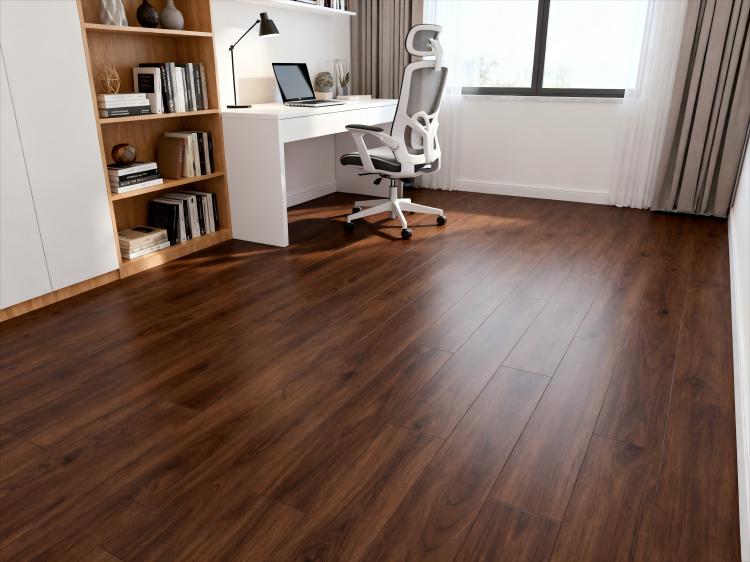
Hyper-Realistic Textures: The market now demands tactile realism. Embossed-in-register (EIR) technology, where surface texture perfectly aligns with the printed grain, delivers an authentic feel that is indistinguishable from natural wood or stone.
Specialized Commercial Solutions: The commercial SPC flooring segment is diversifying with products featuring reinforced locking mechanisms, enhanced static load ratings, and specialized properties like slip-resistance or anti-bacterial coatings for healthcare and educational facilities.
Frequently Asked Questions (FAQ) for B2B Buyers
Q1: What are the main differences between SPC and WPC flooring?
A1: The core composition is key. SPC’s limestone-rich core is denser and more dimensionally stable, ideal for areas with heavy loads or significant temperature fluctuations. WPC’s foamed thermoplastic core offers slightly better underfoot comfort and sound insulation. For ultimate stability and moisture resistance, rigid core SPC flooring is generally superior.
Q2: Can SPC flooring be installed in basements or over radiant heating systems?
A2: Yes. Its 100% waterproof nature makes SPC flooring for basements an excellent choice. It is also compatible with most radiant heat systems. Always adhere to the manufacturer's specified maximum temperature threshold for the subfloor to ensure warranty compliance.
Q3: How do I evaluate the quality and durability of an SPC product from a supplier?
A3: Focus on technical specifications: Wear Layer Thickness (in mils), Abrasion Class (AC Rating: AC4/AC5 for commercial), Overall Thickness (in mm), and Core Density. Request test reports for critical performance aspects like dimensional stability, slip resistance, and formaldehyde emissions. Certifications (ISO, CE, GREENGUARD) are strong indicators of controlled manufacturing.
Q4: What should I look for when auditing a potential SPC flooring supplier?
A4: Prioritize suppliers with: 1) In-house, integrated production from raw materials to finished planks, ensuring quality control; 2) Strong R&D capability to offer the latest SPC flooring designs and innovations; 3) Transparency in material sourcing and compliance documentation; 4) Robust logistics support and clear communication on MOQs, lead times, and warranty policies.
Your Next Strategic Move: Partner with Innovation
The trajectory of the SPC flooring market is unequivocally upward. Positioning your business at the forefront requires a partnership with a manufacturer that combines scale, innovation, and unwavering quality commitment.
Ready to elevate your flooring portfolio with market-leading SPC solutions? Contact us today to request our full technical catalog, a curated selection of the latest design samples, and a competitive quotation tailored to your regional market needs. Let's build a profitable future together.
Contact our expert sales team now for a consultation.