The Comprehensive Guide to PVC Wall Panels for Modern Commercial Interiors
The Global PVC Wall Panels Market: Trends, Opportunities, and Strategic Sourcing for B2B Buyers
The global interior finishing industry is witnessing a paradigm shift towards materials that offer durability, cost-efficiency, and design versatility. Among these, PVC wall panels have emerged as a dominant force, transitioning from a utilitarian alternative to a mainstream solution for both residential and commercial spaces. For international B2B buyers—including importers, distributors, and construction firms—understanding the current market dynamics, technological advancements, and supply chain nuances is critical for making informed procurement decisions.

Market Overview: A Trajectory of Robust Growth
The global market for PVC wall panels and related wall coverings is on a significant upward trajectory. Valued strongly in the current economic landscape, the market is projected to experience a compound annual growth rate (CAGR) of approximately 14.8% in the coming years, reaching a multi-billion-dollar valuation . This expansion is fueled by a surge in global construction activities, particularly in the residential renovation and commercial retrofit sectors.
Geographically, the market landscape is diverse. China currently stands as the largest global producer and consumer, accounting for a substantial share of the market due to its mature manufacturing ecosystem and urban development demands . Following Asia, Europe—particularly the Western and Northern regions—represents a mature, quality-driven market where demand is propelled by stringent building regulations and a focus on hygiene in healthcare and hospitality . Meanwhile, the North American market continues to show steady expansion, driven by the popularity of low-maintenance home improvement solutions .
Key Demand Drivers: Why PVC is Outperforming Traditional Materials
Several macroeconomic and industry-specific factors are solidifying the position of PVC wall panels as a preferred interior finish.
1. The Renovation and Remodeling (R&R) Boom
In mature economies like the U.S. and Europe, the renovation and maintenance sector accounts for the majority of PVC panel consumption. Aging housing stocks require continuous updates, particularly in moisture-prone areas like bathrooms, kitchens, and basements. PVC wall panels for bathrooms are increasingly specified over ceramic tiles due to their faster installation, seamless finish, and resistance to mold and mildew .
2. Commercial Sector Hygiene Requirements
The commercial sector, including healthcare facilities, food processing plants, and hospitality, demands materials that are hygienic, easy to clean, and durable. PVC wall cladding meets these needs perfectly, offering non-porous surfaces that inhibit bacterial growth and can withstand repeated power-washing without degradation .
3. Cost Efficiency and Speed of Installation
Labor costs and project timelines are critical factors in construction. PVC wall panels offer a distinct advantage here. They are lightweight and can be installed directly over existing walls (plywood, drywall, or even tiles) using simple adhesives. This eliminates the need for wet trades like plastering or grouting, significantly reducing installation time and labor expenses .
Product Innovation: Beyond the Basic White Panel
The perception of PVC as a purely functional, low-end material is rapidly changing. Technological advancements in manufacturing and digital printing have revolutionized the aesthetic possibilities of PVC wall panel designs.
Aesthetic Versatility
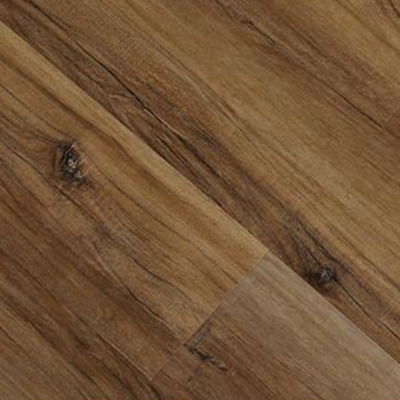
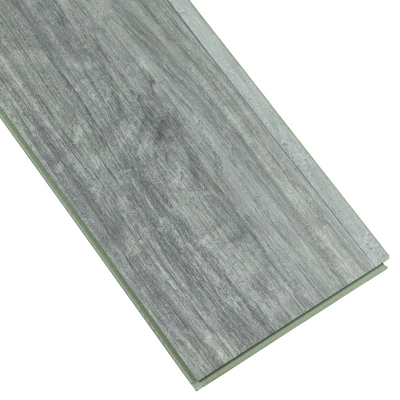
High-definition digital printing now allows manufacturers to create panels that authentically replicate natural materials. Wooden textured PVC panels offer the warm, rustic look of timber without the maintenance concerns of warping or termite damage. Similarly, marble-effect and stone-textured panels provide a luxurious aesthetic suitable for feature walls and high-end commercial lobbies at a fraction of the cost of natural stone .
3D and Textured Finishes
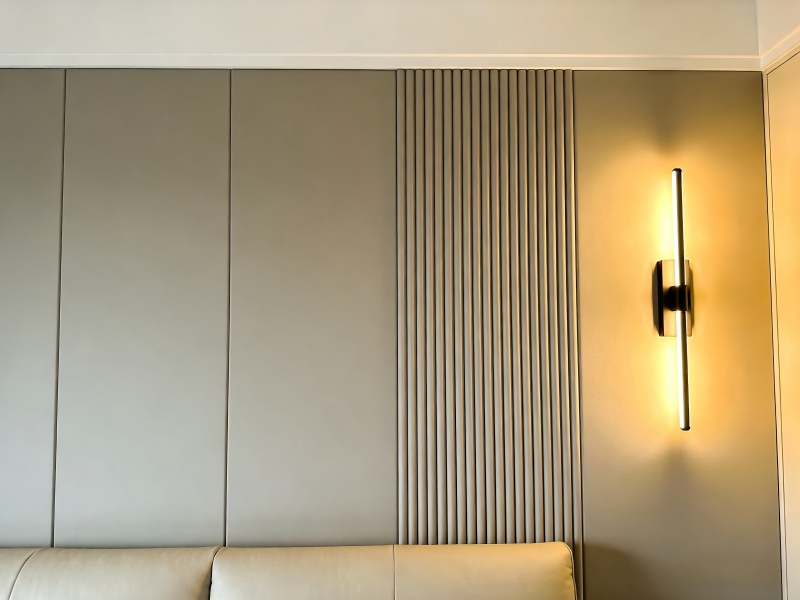
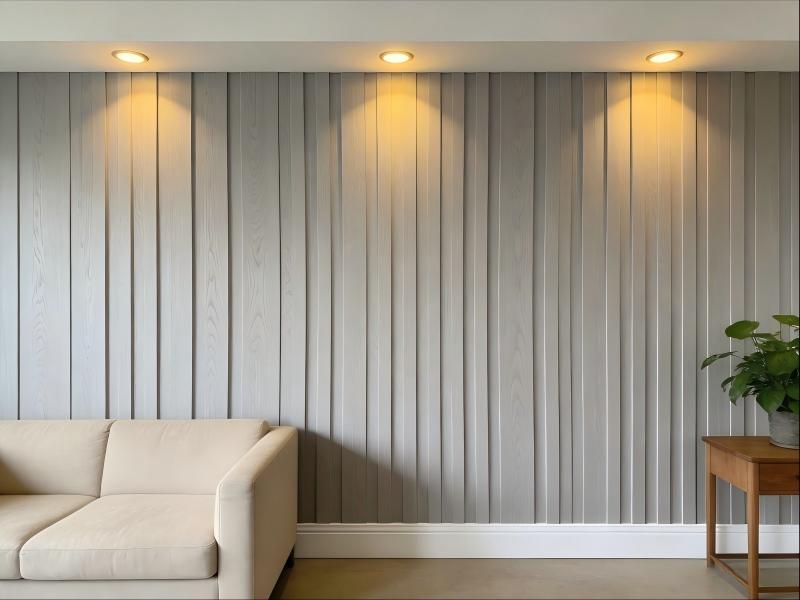
Modern manufacturing techniques, including advanced embossing, have introduced 3D PVC wall panels to the market. These panels add depth and dimension to interiors, creating dramatic accent walls in living rooms, restaurants, and corporate offices. The tactile nature of these panels combines visual appeal with functional acoustic dampening properties .
Enhanced Technical Properties
Product development is also focused on improving performance. Fire-retardant PVC sheets are becoming a standard requirement in many commercial applications to meet strict building safety codes . Furthermore, innovations in material formulation have led to panels that are 100% waterproof, rust-proof, and resistant to UV fading, ensuring longevity even in challenging environments .

The Manufacturing Process: From Resin to Ready-to-Install
For B2B buyers, understanding the supply chain and production quality is paramount. The manufacturing of high-quality PVC panels involves a sophisticated process that directly impacts the product's performance and consistency.
The journey begins with the compounding of PVC resin with stabilizers, plasticizers, and pigments. This mixture is then fed into extruders that form the panel's substrate. In modern, automated facilities—often referred to as PVC wall panel production lines—precision is key. Advanced co-extrusion technologies allow for the creation of multi-layered panels, combining a rigid, impact-resistant core with a durable, high-definition decorative outer layer .
Following extrusion, panels undergo cooling, cutting, and surface treatment. The application of a protective UV coating is a critical step that ensures the design does not fade over time. Finally, automated systems apply a protective film to safeguard the surface during transit and installation . Buyers should seek suppliers who utilize closed-loop, automated systems, as these ensure consistent product density, precise dimensions, and environmental compliance by minimizing waste and dust .
Strategic Sourcing: What B2B Buyers Need to Consider
Navigating the global market requires a strategic approach. Here are critical factors for sourcing PVC wall panels for commercial use or residential distribution:
Compliance and Certification: Ensure that products meet the regulatory standards of your target market. For Europe, this includes CE marking and fire safety classifications (Euroclass). For the U.S., ASTM standards are often applicable. Certifications regarding low VOC emissions are increasingly important for green building certifications like LEED .
Supply Chain Resilience: Given the volatility in raw material (PVC resin) prices, which are tied to oil and gas markets, partnering with manufacturers who have stable supply chains and potential backward integration (access to raw materials) can mitigate price fluctuations .
Customization Capabilities: The trend towards personalization means buyers often seek exclusive designs. Leading PVC wall panel factories now offer customization in terms of thickness, size, color, and texture, allowing distributors to offer unique products in their local markets.
Conclusion
The global PVC wall panels market is dynamic and full of opportunity. Driven by innovation, sustainability, and a relentless focus on meeting the aesthetic and functional demands of modern interiors, the industry is poised for continued expansion. For B2B buyers, success lies in partnering with manufacturers who not only offer competitive pricing but also demonstrate excellence in product quality, technological capability, and regulatory compliance.
Frequently Asked Questions (FAQ)
Q1: Are PVC wall panels suitable for high-moisture environments like steam rooms or coastal areas?
A: Yes. One of the primary advantages of PVC wall panels is their 100% waterproof nature. They are non-porous and do not absorb moisture, making them ideal for bathrooms, kitchens, laundry rooms, and even coastal regions where humidity and salt air can damage traditional materials. High-quality panels also include anti-fungal and anti-bacterial agents to prevent mold growth .
Q2: How do the costs of PVC panels compare to ceramic tiles or wooden panels?
A: Generally, PVC wall panels are more cost-effective than both ceramic tiles and high-quality wooden panels. The material cost is often lower, but the significant savings come from installation. PVC panels require less labor, no grouting or special adhesives, and can often be installed over existing surfaces, drastically reducing project time and labor costs .
Q3: Can PVC panels really mimic natural materials like wood and stone effectively?
A: Absolutely. With advancements in digital printing and embossing technology, modern PVC wall panel designs offer incredibly realistic replicas of wood grains, marble veining, and stone textures. These high-definition finishes capture the visual depth of natural materials while providing the superior durability and moisture resistance of PVC .
Q4: What should I look for in a supplier to ensure consistent quality for large-scale projects?
A: For bulk procurement, consistency is key. Look for suppliers who operate automated, dust-free production lines, as this ensures uniform thickness, density, and color across batches . Additionally, verify that they have robust quality control processes and can provide samples and certifications for fire resistance and material safety. A reliable partner should also have the capacity to handle large volumes and meet shipping deadlines efficiently